

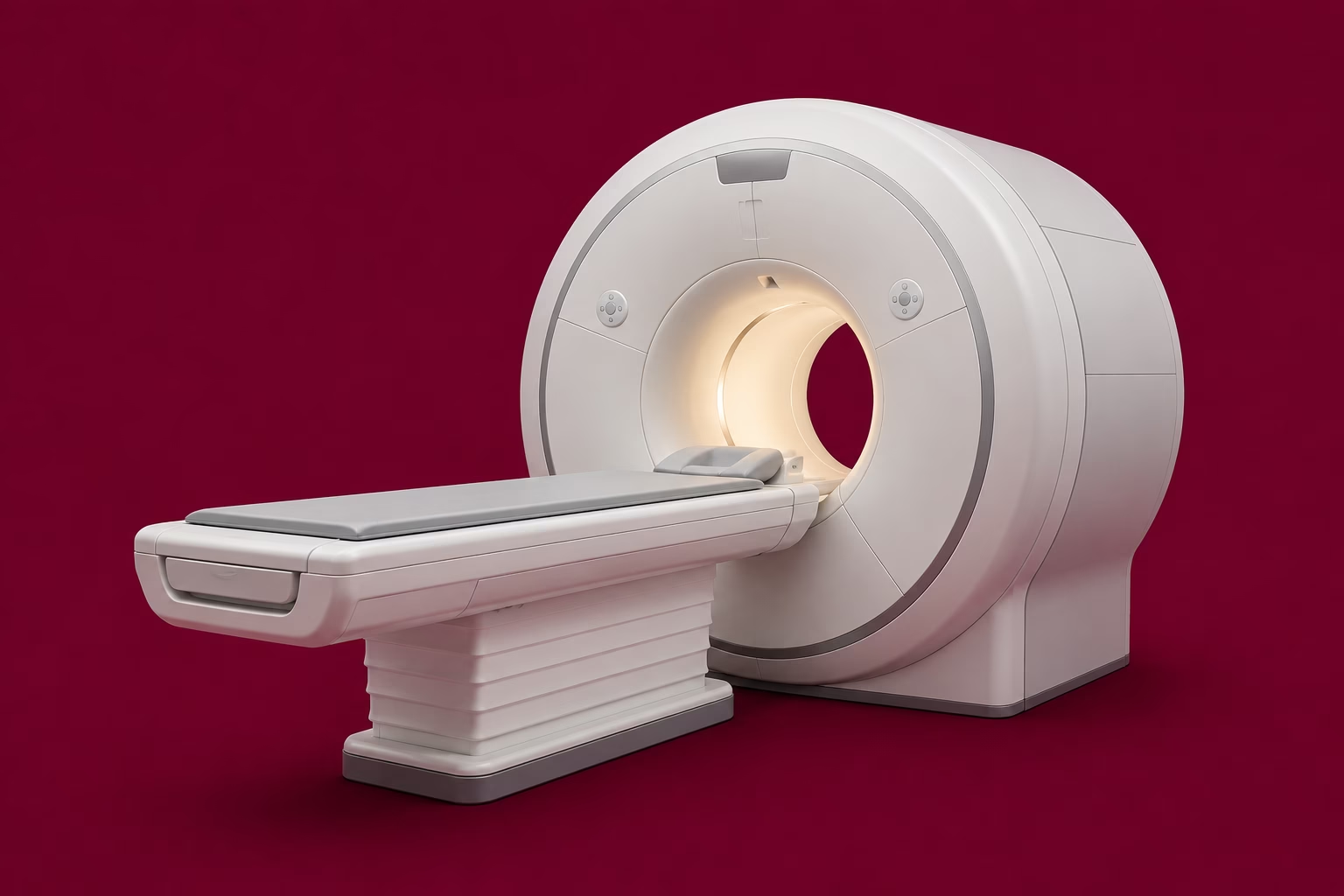
An MRI scan is one of the most commonly used imaging tests for diagnosing a wide range of medical conditions. Proper preparation can help improve image quality, reduce delays, and make the experience more comfortable. Many patients have questions about fasting, medications, clothing, and contrast dye before their appointment. Read on to know exactly how to prepare for an MRI scan and what to expect before the procedure.
What Is an MRI Scan Used For?
MRI uses powerful magnets and radio waves to create detailed images of organs, tissues, joints, blood vessels, and other structures inside the body. Unlike X rays and CT scans, MRI does not use ionizing radiation, making it a valuable diagnostic tool for many medical conditions.
An MRI is used for evaluating both acute and long term health concerns. Doctors often request an MRI when more detailed images are needed than those provided by other imaging methods.
Common conditions diagnosed with MRI include stroke, brain tumors, spinal disorders, ligament injuries, multiple sclerosis, liver disease, prostate abnormalities, breast lesions, and various musculoskeletal conditions.
Before exploring specific applications of MRI, learn the basics in our guide on What Is an MRI Scan? Uses, Cost, Procedure, and Benefits Explained, including the procedure, benefits, and common uses of MRI scans.
Preparing correctly before an MRI scan helps ensure accurate results and a smoother examination process. Even small preparation errors may affect image quality or require the scan to be repeated.
Clear MRI images allow radiologists to identify abnormalities more accurately. Movement, metal objects, and failure to follow instructions may interfere with image quality and reduce diagnostic accuracy.
Following MRI preparation instructions helps avoid appointment delays and last minute rescheduling. Patients who arrive prepared can usually complete the process more efficiently.
MRI scanners use strong magnetic fields. Informing healthcare providers about implants, medical devices, and other relevant medical conditions helps ensure patient safety throughout the examination.
MRI preparation may vary depending on the body area being examined and whether contrast material will be used. Most patients receive instructions before their appointment.
When scheduling an MRI, provide accurate information about your medical history and the reason for the examination. This helps determine the most appropriate scan protocol.
Inform the imaging center about previous surgeries, implanted devices, allergies, kidney disease, pregnancy, or any significant medical conditions before the scan.
MRI magnets can interact with certain metal objects. Patients must disclose any pacemakers, surgical clips, cochlear implants, metal fragments, or implanted medical devices.
Comfortable clothing without metal zippers, buttons, or metallic decorations is often recommended. Some facilities may provide a hospital gown before the examination.
Certain actions can interfere with MRI safety or affect the quality of diagnostic images. Following instructions carefully helps prevent avoidable complications.
Jewelry, watches, hair accessories, and body piercings may contain metal and should usually be removed before entering the MRI room.
Mobile phones, tablets, smart watches, hearing aids, and other electronic devices should remain outside the scanning area because strong magnetic fields can damage them.
Some MRI examinations require temporary fasting, particularly when contrast dye or sedation is involved. Ignoring these instructions may result in rescheduling.
Most medications can be taken normally, but some situations may require special instructions. Always follow guidance provided by your healthcare provider.
Simple preparation the evening before your appointment can help reduce stress and ensure a smooth experience on the day of the examination.
Most MRI examinations share several standard preparation requirements regardless of the body part being examined. These instructions help improve safety and reduce unnecessary delays.
Patients should remove jewelry, watches, belts, eyeglasses, hearing aids, removable dental appliances, and other metallic items before entering the MRI suite.
Always inform MRI staff about implanted devices, surgical hardware, artificial joints, vascular clips, or any previous procedures involving metal.
Pregnant patients should inform healthcare providers before the examination. MRI may still be performed when medically necessary, depending on the clinical situation.
Patients who experience anxiety in enclosed spaces should discuss this beforehand. Additional support or medication options may be available when appropriate.
Fasting requirements depend on the type of MRI being performed and whether contrast material or sedation will be used. Many routine MRI examinations do not require fasting.
Some abdominal MRI examinations, contrast enhanced studies, and MRI procedures involving sedation may require patients to avoid food for several hours before the appointment.
Many brain, spine, knee, shoulder, and musculoskeletal MRI scans can be performed without fasting. Patients can often continue their normal diet unless instructed otherwise.
Water is usually permitted before many MRI examinations. However, specific instructions vary depending on the scan type, contrast requirements, and facility protocols.
Not all MRI scans restrict water intake. When restrictions exist, they are usually related to contrast administration, sedation, or specific imaging requirements.
Certain MRI examinations may require temporary fasting before contrast administration to reduce the likelihood of nausea or discomfort in sensitive patients.
Before undergoing a contrast-enhanced MRI, explore our guide on MRI Contrast Agent Safety: What Patients Should Know Before the Scan for important information about preparation and patient safety.
Patients receiving sedation often need food and fluid restrictions beforehand. This helps reduce potential complications associated with sedative medications.
Many MRI examinations allow normal water consumption. Patients should always follow the instructions provided for their specific scan rather than assuming all MRI procedures require fasting.
Some MRI examinations use a contrast agent to improve visualization of tissues, blood vessels, and abnormalities. Contrast enhanced MRI preparation may involve additional instructions.
MRI contrast agents help highlight specific structures and improve diagnostic detail. They are commonly used for evaluating tumors, inflammation, blood vessels, and certain organ conditions.
Patients with kidney disease may require laboratory testing before receiving contrast material. This helps healthcare providers determine whether contrast administration is appropriate.
Depending on the examination, temporary fasting may be recommended before contrast enhanced MRI studies. Instructions vary according to the body part being examined.
Patients with a history of allergies, previous contrast reactions, or certain medical conditions should inform healthcare providers before the examination so appropriate precautions can be taken.
Brain MRI preparation is usually simple and often does not require fasting unless contrast or sedation is planned. Patients should inform the imaging team about previous brain surgeries, implanted devices, or neurological conditions. For mri preparation brain examinations, remaining still during image acquisition is important for obtaining clear and accurate diagnostic images.
For mri preparation spine examinations, patients should wear comfortable clothing and remove all metal objects before entering the MRI suite. Inform the imaging team about previous spinal surgeries, implants, artificial discs, or hardware. Most spine MRI scans do not require fasting and can be completed with routine preparation.
Mri preparation abdomen examinations often require special dietary instructions before scanning. Patients may be asked to avoid food for several hours to improve image quality and reduce bowel activity. For mri abdomen with and without contrast preparation, additional guidance regarding contrast administration and fluid intake may also be provided.
Pelvic mri preparation instructions vary depending on the clinical reason for the scan. Patients may be asked to arrive with a moderately full bladder or follow specific dietary recommendations. During pelvis mri preparation, it is important to disclose previous surgeries, implants, and any ongoing medical conditions.
Mri preparation prostate examinations may include dietary restrictions and bowel preparation depending on the imaging protocol. For prostate mri preparation enema instructions, some patients may be advised to clear the rectum before scanning. Mri prostate with and without contrast preparation may also involve contrast related screening and kidney function assessment.
To understand the purpose of the examination, read our guide on MRI for Prostate Cancer Detection and how it helps evaluate prostate abnormalities with greater precision.
Mri preparation knee scans usually require minimal preparation. Patients should remove metallic items and inform staff about previous surgeries, joint replacements, or implanted devices. Wearing loose clothing can improve comfort during the examination and help streamline the preparation process.
Many patients also wonder about the duration of the examination. Read our guide on How Long Does a Knee MRI Take? to learn what factors can affect scan time and what to expect during your appointment.
If knee pain continues for an extended period, explore our guide on Persistent Joint Pain: When Is an MRI Necessary to learn when an MRI may be recommended.
For mri preparation shoulder examinations, patients should disclose any prior shoulder surgery, metal implants, or hardware. Most shoulder MRI scans do not require fasting. Remaining still during image acquisition is important for producing detailed images of tendons, ligaments, muscles, and joint structures.
To better understand the examination process, read our guide on Shoulder MRI Scans: Cost, Preparation, and Procedure, which explains what to expect before, during, and after the scan.
Breast mri preparation may involve scheduling the examination during a specific phase of the menstrual cycle for optimal image quality. Patients should inform the imaging center about breast implants, previous surgeries, allergies, and any planned contrast administration before the examination.
For a complete overview of the examination, read our guide on Breast MRI Scan: Procedure, Preparation, Results & Detection, which explains what to expect before, during, and after the scan.
Liver mri preparation commonly includes fasting instructions before the examination. Food restrictions can help improve image quality and reduce motion from digestive activity. Patients undergoing contrast enhanced liver MRI may also require evaluation of kidney function before receiving contrast material.
Cardiac mri preparation may include avoiding caffeine and certain stimulants before the examination. Patients should inform healthcare providers about pacemakers, implanted cardiac devices, previous heart procedures, and current medications. Following instructions carefully helps improve image quality and diagnostic accuracy.
Foot mri preparation is generally straightforward and requires little special preparation. Patients should remove jewelry and inform the imaging center about prior surgeries, metal implants, or injuries affecting the foot or ankle. Most examinations can be performed without fasting requirements.
Mri defecography preparation often includes specific bowel preparation instructions before the examination. Patients may receive guidance regarding diet, fluid intake, and bowel emptying. Following preparation instructions carefully helps obtain accurate images of pelvic floor function and related anatomical structures.
Proper MRI preparation can improve image quality, reduce delays, and help ensure accurate diagnostic results. Whether you are undergoing a brain MRI, spine MRI, abdominal MRI, prostate MRI, or another specialized examination, following the recommended instructions can make the process easier and more comfortable. Discuss any questions with your healthcare provider before the appointment and carefully follow the preparation guidelines provided for your specific MRI scan.
MVR provides trusted MRI services in Dubai through advanced imaging technology and experienced medical professionals dedicated to accurate diagnostics. Our modern facilities focus on patient comfort while delivering detailed imaging for a wide range of medical conditions. With affordable diagnostic packages, high quality equipment, skilled radiologists, and efficient appointment scheduling, MVR helps patients access reliable MRI examinations and professional diagnostic care with confidence.
MRI preparation depends on the body part being examined and whether contrast is required. Most patients need to remove metal objects, disclose medical history, and follow any fasting or medication instructions provided.
Avoid wearing jewelry, bringing electronic devices into the MRI room, ignoring fasting instructions, or withholding important medical information about implants, surgeries, allergies, or medical conditions.
Many MRI scans allow water intake. Restrictions usually apply when sedation, contrast administration, or specific abdominal imaging protocols require temporary fasting before the examination.
Wear comfortable clothing, remove metallic items, bring relevant medical records, disclose implants or health conditions, and carefully follow the preparation instructions provided by the imaging center.
Not always. Brain, spine, knee, and many other MRI scans often do not require fasting. Certain abdominal, pelvic, contrast enhanced, or sedation related examinations may have fasting requirements.
Most medications can be taken as usual before an MRI. However, patients should always follow instructions provided by their healthcare provider or imaging facility.
Wear loose and comfortable clothing without metal zippers, buttons, or decorations. Some imaging centers may provide a gown depending on the examination requirements.
Most MRI examinations take between 20 and 60 minutes. The exact duration depends on the body area being scanned, imaging protocol, and whether contrast is used.
Yes. Contrast enhanced MRI scans may require additional preparation, including fasting instructions, allergy screening, and kidney function assessment depending on the examination and patient history.
WhatsApp us