
Noticing unusual symptoms or being told you have a liver lesion can feel confusing and stressful. A CT scan for liver lesions helps doctors quickly detect, evaluate, and classify abnormalities inside the liver with clear imaging. It is widely used to assess liver mass conditions and guide further diagnosis or treatment decisions. Read on to know how a CT scan for liver mass works and what it reveals.
A CT scan for liver lesions is a diagnostic imaging method that uses X rays and computer processing to create detailed cross sectional images of the liver. It helps identify abnormalities such as cysts, tumors, or other changes in liver tissue. This scan is often used when a liver mass is suspected or when earlier tests require confirmation.It provides a clear view of the liver structure, allowing doctors to analyze the size, shape, and position of any lesion. In many cases, contrast dye is used to improve image clarity and highlight blood flow patterns inside the liver.
A CT scan for liver lesions captures multiple cross sectional images of the liver from different angles, which are then combined to create a detailed picture. This helps doctors detect even small abnormalities, evaluate their structure, and identify whether the lesion appears simple or complex in nature.
A liver lesion refers to any abnormal area of tissue in the liver, which may be harmless or require further evaluation. A liver mass usually indicates a larger or more defined growth, which may need detailed imaging to determine its cause and nature.
A CT scan for liver lesions is often one of the first advanced imaging methods used after an initial test suggests a possible abnormality. It is widely available and provides fast, reliable imaging results, making it suitable for both routine and urgent evaluations of liver conditions.Doctors use CT scans to confirm findings, assess the extent of a liver mass, and decide whether additional imaging or tests are required. Its ability to provide clear and detailed images makes it a key tool in liver diagnosis.
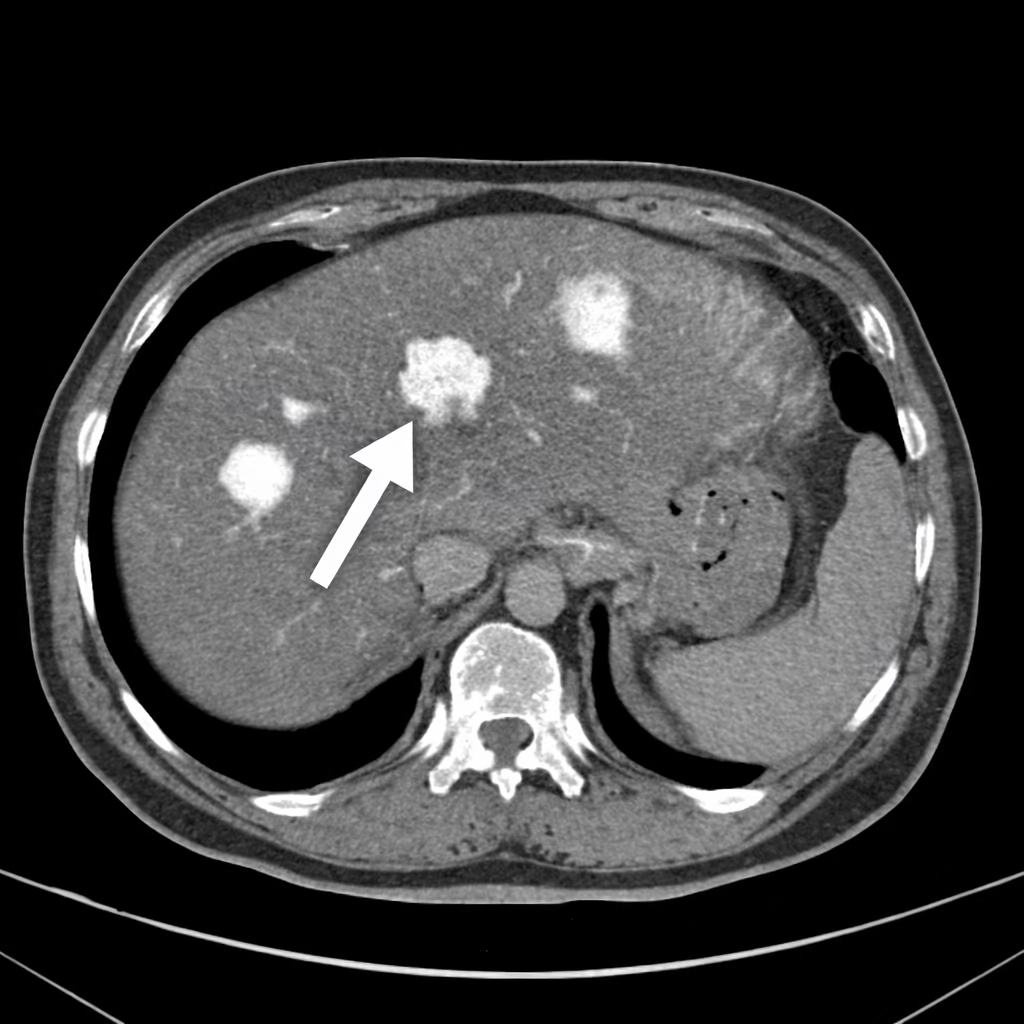
A CT scan for liver lesions provides detailed information about the characteristics of abnormal areas in the liver. It helps doctors analyze patterns within the lesion and determine whether it appears benign or requires further investigation.The scan can reveal how the lesion interacts with surrounding tissues and how it responds to contrast dye, which is important for diagnosis.
A CT scan shows important details such as the size, number, and shape of liver lesions, along with their borders and internal structure. These features help doctors identify whether a lesion is simple, complex, or suspicious in nature.
CT imaging can identify different types of liver lesions, including fluid filled cysts, vascular growths such as hemangiomas, solid tumors, and lesions that may have spread from other parts of the body, known as metastases.
Contrast enhanced CT scan for liver lesions improves the accuracy of diagnosis by highlighting blood flow patterns and tissue differences. The contrast dye helps make lesions more visible and allows doctors to observe how they behave during different imaging phases.This method is especially useful for identifying subtle differences between types of liver lesions and improving diagnostic confidence.
Contrast dye improves the visibility of blood vessels and tissue structures in the liver, making it easier to detect abnormal areas. It helps differentiate between various types of lesions based on how they absorb and release the contrast material.
Different imaging methods are used to evaluate liver lesions, and each has its own role. A CT scan for liver lesions is often used for quick and detailed evaluation, while other methods may provide additional information when needed.Choosing the right imaging method depends on the clinical situation and the type of lesion being examined.
A CT scan is commonly used for initial detection because it is fast and widely available, while MRI provides more detailed imaging for certain conditions. MRI is often recommended when further characterization of a liver lesion is required.
For a broader comparison, explore our guide on the difference between MRI and CT scans.
Ultrasound is usually the first step in detecting liver abnormalities, but it may not provide enough detail. A CT scan for liver mass offers clearer images and helps confirm findings when ultrasound results are not conclusive.
A CT scan for liver mass is recommended for individuals who show signs of liver abnormalities or who are at higher risk of liver related conditions. It helps in early detection and proper evaluation of potential issues.Doctors use this scan to assess symptoms and decide the next steps in diagnosis or treatment.
Persistent abdominal pain, unexplained weight loss, fatigue, or abnormal liver function test results may lead doctors to recommend a CT scan for liver lesions. These symptoms can indicate underlying liver conditions that need further investigation.
People with a history of liver disease, chronic infections, or previous cancer are more likely to require a CT scan for liver mass. Regular monitoring may be advised in such cases to detect changes early.
A CT scan for liver lesions is a quick and straightforward procedure that does not usually require hospital admission. Patients are guided through each step to ensure comfort and accurate imaging results.The process is designed to be efficient while providing detailed images for diagnosis.
A CT scan for liver lesions is considered a reliable method for detecting and evaluating abnormalities in the liver. It provides clear images that help doctors identify patterns and make informed decisions about further testing or treatment.Its accuracy depends on the size and type of lesion, as well as the use of contrast imaging.
CT scan for liver mass offers high detection rates for many types of lesions and helps in identifying structural details. It is widely trusted for initial evaluation and plays an important role in clinical decision making.
While CT scans are effective, they may not always detect very small lesions or provide complete detail in complex cases. Additional imaging such as MRI may be required for more precise evaluation when needed.
FAQs
Can a CT scan detect liver cancer
A CT scan can help detect liver cancer by identifying abnormal growths and their characteristics. However, additional tests or imaging may be needed to confirm the diagnosis and determine the exact type.
Is CT scan enough for liver lesion diagnosis
CT scan provides detailed imaging for liver lesions, but in some cases further tests like MRI or biopsy may be required to confirm whether the lesion is benign or malignant.
What is the difference between liver lesion and liver mass
A liver lesion refers to any abnormal tissue area, while a liver mass usually indicates a larger or more defined growth that may need further evaluation through imaging.
Is contrast CT safe for liver scan
Contrast CT is generally safe for most patients, and the contrast dye helps improve image clarity. Doctors assess medical history before the scan to ensure it is suitable for each patient.
How long does a liver CT scan take
A liver CT scan usually takes a few minutes for imaging, but the total process including preparation and contrast administration may take around fifteen to thirty minutes.
When should I get a CT scan for liver problems
A CT scan is recommended when symptoms, abnormal test results, or initial imaging suggest liver issues that require detailed evaluation to determine the cause and severity.
CT scan for liver lesions plays a vital role in modern diagnostics by offering fast and detailed insights into liver abnormalities. It helps doctors detect, evaluate, and monitor liver mass conditions with confidence. From identifying simple cysts to assessing complex tumors, this imaging method supports accurate clinical decisions. With its wide availability and strong diagnostic value, CT scanning remains an essential step in liver health evaluation.
MVR provides trusted and advanced diagnostic care by using high quality CT imaging technology and experienced medical professionals. The focus is on delivering accurate results while ensuring patient comfort throughout the scanning process. With skilled radiologists, modern equipment, and affordable diagnostic packages, MVR offers reliable imaging services for liver lesions and other conditions, making quality healthcare accessible and efficient for every patient.
WhatsApp us