

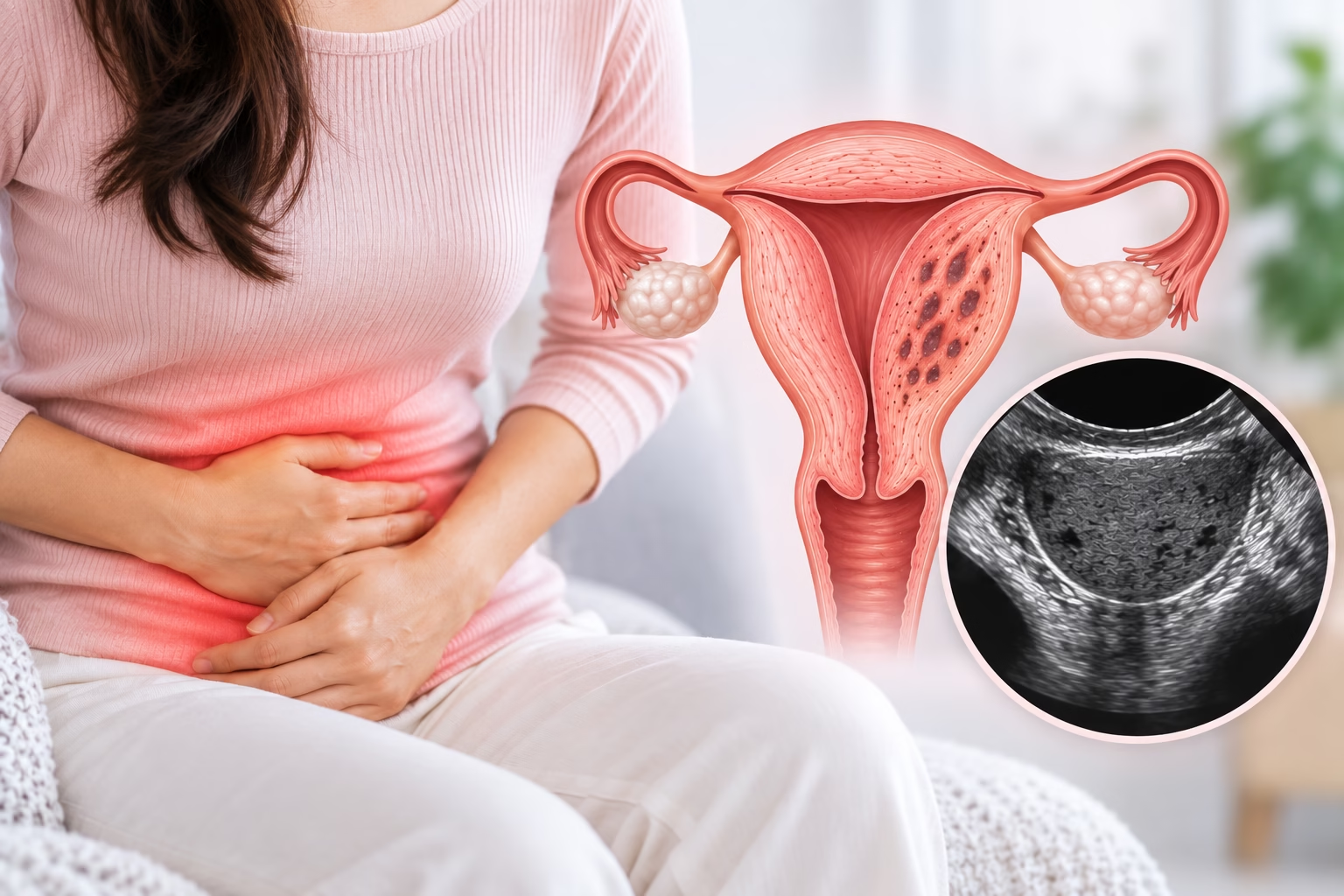
Adenomyosis is a condition in which tissue similar to the lining of the uterus grows into the muscular wall of the uterus. It can cause heavy or prolonged periods, painful cramps, pelvic pain and, in some cases, an enlarged or tender uterus. Some people may have adenomyosis without noticeable symptoms.
Because its symptoms can overlap with conditions such as uterine fibroids and endometriosis, imaging can play an important role in evaluation. Read this guide to know more about the causes, symptoms, ultrasound findings, diagnosis, and treatment of adenomyosis.
Adenomyosis occurs when endometrial-type tissue is present within the muscular wall of the uterus, known as the myometrium. This tissue continues to respond to hormonal changes during the menstrual cycle, which can contribute to inflammation, uterine enlargement, pain and heavier menstrual bleeding.
Adenomyosis is a benign condition, but the symptoms can significantly affect daily activities and quality of life. It can also occur alongside other gynecological conditions, making diagnosis more challenging.
The exact cause of adenomyosis is not fully understood. Several theories have been proposed, including:
These are proposed mechanisms rather than confirmed causes, and adenomyosis may develop through more than one pathway.
Factors associated with adenomyosis may include:
Adenomyosis can also occur in younger women, so age alone does not rule it out.
Some people have no symptoms, while others experience significant menstrual or pelvic symptoms.
Periods may become heavier or last longer than usual. Persistent heavy bleeding can sometimes contribute to iron deficiency or anemia.
Severe menstrual cramps are one of the common symptoms of adenomyosis. Pain may become more noticeable over time and can interfere with normal activities.
Some people experience pelvic pain outside their menstrual period. The pain may be persistent or associated with a feeling of pressure in the lower abdomen.
Adenomyosis can sometimes cause pain during sexual intercourse, particularly with deeper penetration.
The uterus may become enlarged or tender because of changes within the uterine muscle.
Consider speaking with a healthcare professional if you experience:
These symptoms do not necessarily mean you have adenomyosis. Other conditions can cause similar symptoms, so proper evaluation is important.
Yes. Transvaginal ultrasound is commonly used to evaluate the uterus and can identify features that may suggest adenomyosis. It is an important imaging test when adenomyosis is suspected.
Depending on the appearance of the uterus, ultrasound may show features such as:
Not every person with adenomyosis will have all of these findings. Ultrasound findings should be interpreted together with symptoms and clinical history.
A transvaginal ultrasound provides detailed images of the uterus, endometrium, ovaries and surrounding pelvic structures. Because the ultrasound probe is positioned close to the pelvic organs, it can provide detailed views of the uterine wall.
For patients being evaluated for adenomyosis, a transvaginal ultrasound may help identify characteristic changes in the uterine muscle and assess whether other pelvic conditions could be contributing to the symptoms.
No. Adenomyosis and uterine fibroids are different conditions, although they can cause similar symptoms. Adenomyosis involves endometrial-type tissue within the muscular wall of the uterus. Fibroids are benign growths that develop from the muscular and connective tissue of the uterus.
Both can cause heavy menstrual bleeding, pelvic discomfort and an enlarged uterus. Imaging can help distinguish between them, although some cases may require additional evaluation.
Adenomyosis and endometriosis are also different conditions. In adenomyosis, endometrial-type tissue is located within the muscular wall of the uterus. In endometriosis, tissue similar to the uterine lining grows outside the uterus.
The two conditions can occur together and may cause overlapping symptoms such as painful periods, pelvic pain and fertility concerns.
If you experience significant period pain or pelvic symptoms, read our guide to know more about endometriosis symptoms, ultrasound and MRI findings, diagnosis, and treatment .
Diagnosis usually involves combining symptoms, medical history, physical examination and imaging.
Your doctor may ask about:
A pelvic examination may identify an enlarged or tender uterus, although a normal examination does not necessarily exclude adenomyosis.
Ultrasound, particularly transvaginal ultrasound, is commonly used to look for features suggestive of adenomyosis.
MRI can provide detailed images of the uterus and may be useful when ultrasound findings are unclear or when a more detailed assessment is needed. It can also help evaluate other uterine conditions that may produce similar symptoms.
Ultrasound can also provide information about the endometrium and other changes within the uterus. Read our guide to know more about thickened uterine lining, its causes, symptoms, ultrasound findings, diagnosis, and treatment .
An endometrial biopsy may sometimes be performed to investigate abnormal bleeding or exclude other conditions, but it does not confirm adenomyosis because the abnormal tissue is located within the uterine muscle. Definitive confirmation has traditionally been possible by examining the uterus after hysterectomy, although modern imaging can provide a strong clinical diagnosis without surgery.
Treatment depends on the severity of symptoms, age, reproductive plans and individual medical circumstances.
Non-steroidal anti-inflammatory medicines may help reduce menstrual pain and may also reduce menstrual blood loss in some people.
Hormonal treatments may help control heavy bleeding and menstrual pain. Options can include:
The appropriate option should be discussed with a gynecologist.
For people with severe symptoms that do not improve with other treatments, surgical options may be considered. A hysterectomy removes the uterus and is considered a definitive treatment for adenomyosis when appropriate. Treatment decisions should take into account whether pregnancy is desired in the future.
Adenomyosis has been associated with fertility problems and some adverse pregnancy outcomes, but the relationship is complex and continues to be studied. Having adenomyosis does not automatically mean that a person cannot become pregnant.
If you are experiencing pelvic pain, heavy periods or fertility concerns, your doctor may recommend imaging to look for adenomyosis as well as other possible causes.
Adenomyosis is influenced by reproductive hormones and symptoms often improve after menopause. However, symptoms during the reproductive years may require treatment if they affect quality of life.
If you have heavy periods, severe menstrual pain or persistent pelvic discomfort, early evaluation can help identify the underlying cause. Book a transvaginal ultrasound at MVR Diagnostic Clinic for detailed imaging of the uterus and pelvic structures and discuss your symptoms with a qualified healthcare professional.
Book an AppointmentAdenomyosis is generally a benign condition. However, heavy bleeding and severe pain can significantly affect quality of life and prolonged heavy bleeding may contribute to anemia.
Yes. Ultrasound can identify several features that may suggest adenomyosis. However, ultrasound findings need to be interpreted alongside symptoms and clinical history.
Transvaginal ultrasound generally provides more detailed views of the uterus and pelvic structures and is commonly used when adenomyosis is suspected. When transvaginal ultrasound is unsuitable or not acceptable, other imaging approaches may be considered.
Not everyone needs an MRI. Ultrasound may provide enough information in many cases, while MRI can be useful when the diagnosis is uncertain or a more detailed assessment of the uterus is needed.
Yes. Heavy or prolonged menstrual bleeding is one of the common symptoms of adenomyosis.
Yes. Adenomyosis can cause severe menstrual cramps and pelvic pain, although similar symptoms can occur with other gynecological conditions.
WhatsApp us