

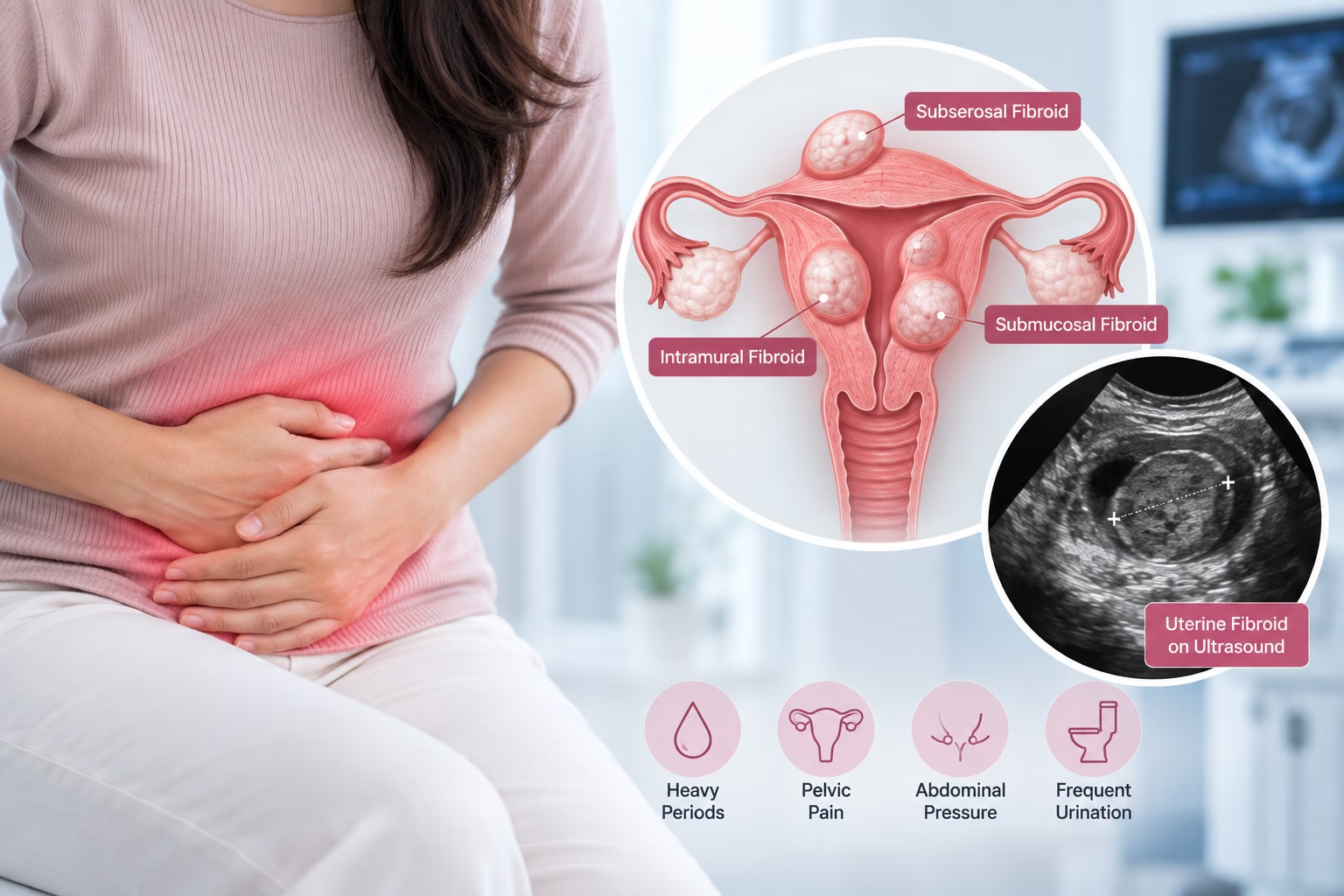
Uterine fibroids are common, non-cancerous growths that develop in or around the uterus. Some women have fibroids without experiencing any symptoms, while others may develop heavy menstrual bleeding, painful periods, pelvic pressure, frequent urination, or lower abdominal discomfort. The symptoms often depend on the size, number, and location of the fibroids.
Ultrasound is commonly used to identify fibroids, assess their size and location, and evaluate the uterus and surrounding pelvic structures. Depending on the findings and symptoms, additional imaging such as MRI or other investigations may sometimes be recommended.
If you have heavy periods, persistent pelvic pain, or unexplained changes in your menstrual cycle, Book Your Transvaginal Ultrasound to help evaluate the uterus, endometrium, ovaries, and other pelvic structures. MVR Diagnostic Clinic provides transvaginal ultrasound imaging for the evaluation of conditions including uterine fibroids and other gynecological abnormalities.
Read this guide to know more about uterine fibroid causes, symptoms, ultrasound findings, diagnosis, treatment, and when further evaluation may be needed.
Uterine fibroids, also called leiomyomas or myomas, are growths that develop from the muscular tissue of the uterus. They are usually benign and can vary considerably in size, number, and location. Some fibroids are very small, while others can become large enough to change the shape or size of the uterus.
Not every fibroid causes symptoms. In fact, many are discovered incidentally during a pelvic examination, pregnancy scan, or imaging performed for another reason. When symptoms occur, they may be related to the fibroid's position within or around the uterus.
The exact cause of uterine fibroids is not fully understood. However, several factors appear to contribute to their development and growth.
Estrogen and progesterone appear to play a role in fibroid growth. Fibroids commonly develop during the reproductive years and may shrink after menopause when levels of these hormones decrease.
Genetic changes within uterine muscle cells may contribute to the development of fibroids. Some fibroids contain gene changes that are different from those found in normal uterine muscle tissue.
Certain substances involved in tissue growth and repair may also influence fibroid development. Researchers continue to study the biological mechanisms that cause individual fibroids to develop and grow.
Fibroids are commonly classified according to where they develop in relation to the uterine wall.
These develop within the muscular wall of the uterus. They are among the most common types and can increase the size of the uterus as they grow.
These grow toward the inner cavity of the uterus. Even relatively small submucosal fibroids may contribute to heavy or prolonged menstrual bleeding.
These develop on the outer surface of the uterus. Larger subserosal fibroids may cause pressure on nearby organs, potentially contributing to urinary or bowel symptoms.
Some fibroids grow on a narrow stalk attached to the uterus. These may occur on the inside or outside of the uterus.
Many women with uterine fibroids have no symptoms. When symptoms do occur, they can vary depending on the location, number, and size of the fibroids.
Common uterine fibroid symptoms include:
Heavy menstrual bleeding can also contribute to iron deficiency or anemia, which may cause persistent tiredness and weakness.
Yes. Heavy or prolonged menstrual bleeding is one of the common symptoms associated with uterine fibroids. Fibroids that affect or distort the uterine cavity, particularly submucosal fibroids, may have a stronger association with abnormal menstrual bleeding.
However, heavy periods can have many possible causes. Having a fibroid does not necessarily mean that it is responsible for all menstrual symptoms. A healthcare professional may need to consider other causes based on your symptoms and medical history.
Fibroids can cause pelvic pressure, discomfort, or pain, particularly when they become larger. Depending on their location, they may also press against nearby structures such as the bladder or bowel.
Some women may experience lower back pain or discomfort during sexual intercourse. In rare situations, a fibroid can undergo degeneration when its blood supply becomes inadequate, which may cause sudden and significant pain.
The effect of fibroids on fertility depends on several factors, including their size and location. Fibroids that distort the uterine cavity may have greater relevance when evaluating fertility or pregnancy-related concerns.
If you are experiencing difficulty becoming pregnant and fibroids are suspected, your doctor may recommend pelvic imaging to understand the uterus and identify any structural abnormalities. Depending on the clinical situation, ultrasound or MRI may be used as part of the evaluation.
Diagnosis usually begins with a medical history and pelvic examination. A healthcare professional may suspect fibroids if the uterus feels enlarged or irregular during an examination. Imaging is then commonly used to confirm their presence and assess their characteristics.
Tests may include:
A complete blood count may also be recommended when heavy menstrual bleeding raises concern about anemia.
On ultrasound, uterine fibroids commonly appear as well-defined masses arising from the uterine muscle. Their appearance can vary depending on their size, location, and internal characteristics.
Ultrasound can help assess:
Ultrasound can also help map fibroids and measure them, which can be useful when planning follow-up or discussing treatment options.
A transvaginal ultrasound can provide detailed images of the uterus, endometrium, ovaries, and surrounding pelvic structures. It may be particularly useful when evaluating gynecological symptoms or suspected uterine abnormalities.
If you want to understand how this examination is performed and what to expect, read our guide to know more about transvaginal ultrasound .
The ultrasound report may describe several features of a fibroid. These can include:
The report may provide measurements of the fibroid in centimetres or millimetres. Size can help doctors monitor changes over time and understand whether the fibroid may be contributing to symptoms.
The report may identify whether a fibroid is intramural, submucosal, subserosal, or located in another specific part of the uterus.
A woman may have a single fibroid or multiple fibroids. The number and distribution can influence the appearance of the uterus and treatment considerations.
Some fibroids can distort or project toward the uterine cavity. This information can be particularly relevant when heavy bleeding or fertility concerns are present.
Ultrasound is often sufficient to identify and evaluate fibroids. However, MRI may be considered when ultrasound does not provide enough information or when a more detailed assessment is needed. MRI can provide more detailed information about the size, number, and location of fibroids and may help with treatment planning in more complex cases.
MRI may be particularly useful when the uterus is significantly enlarged, when there are multiple or complex fibroids, or when the healthcare team needs more detailed information before a procedure.
Fibroids and adenomyosis are different uterine conditions, but they can sometimes cause similar symptoms, including heavy menstrual bleeding and pelvic pain.
Fibroids are distinct growths arising from the uterine muscle, whereas adenomyosis involves tissue similar to the uterine lining growing within the muscular wall of the uterus.
Because the symptoms can overlap, imaging findings and clinical assessment are important when distinguishing between the two conditions.
Read our guide to know more about adenomyosis causes, symptoms, ultrasound findings, diagnosis, and treatment .
Endometriosis is another condition that can cause pelvic pain, painful periods, and fertility concerns. Unlike fibroids, endometriosis involves tissue similar to the uterine lining growing outside the uterus. The two conditions can sometimes occur together, and their symptoms may overlap. Pelvic imaging can help evaluate structural abnormalities, although not every form of endometriosis can be detected on ultrasound.
There is no blood test that directly diagnoses a uterine fibroid. However, blood tests may be useful when fibroids are associated with heavy or irregular menstrual bleeding.
A complete blood count may be performed to check for anemia caused by ongoing blood loss. Depending on the symptoms, your doctor may also consider other blood tests to investigate thyroid problems or other potential causes of abnormal bleeding.
Treatment depends on several factors, including:
There is no single treatment that is suitable for every person with fibroids.
If fibroids are not causing significant symptoms, treatment may not be necessary immediately. Your doctor may recommend monitoring symptoms and changes in the fibroids over time.
Medications may be used to manage symptoms such as heavy menstrual bleeding and pain. Some hormonal treatments can also temporarily reduce fibroid size, depending on the medication and clinical situation.
Depending on the circumstances, procedures such as uterine artery embolization or radiofrequency ablation may be considered. These approaches aim to reduce fibroid size or symptoms without removing the uterus.
A myomectomy involves removing fibroids while preserving the uterus. Different surgical approaches may be considered depending on the number, size, and location of the fibroids.
A hysterectomy involves removing the uterus and is a definitive treatment for uterine fibroids. It eliminates the possibility of developing new uterine fibroids but also means pregnancy is no longer possible. Treatment decisions should therefore take future fertility plans into account.
Fibroids do not always disappear without treatment. However, they may shrink naturally after menopause as reproductive hormone levels decline. Some women with fibroids may not require treatment if they have no symptoms or only mild symptoms.
You should discuss your symptoms with a healthcare professional if you experience:
Seek urgent medical attention for severe vaginal bleeding or sudden, intense pelvic pain.
Heavy menstrual bleeding, persistent pelvic pain, pressure, or changes in your menstrual pattern may warrant medical evaluation. A pelvic or transvaginal ultrasound can help assess the uterus and identify fibroids, their size, location, and other pelvic abnormalities. MVR Diagnostic Clinic provides ultrasound services for pelvic and gynecological evaluation using modern imaging technology and radiologist-reviewed reporting.
If you have symptoms that may be related to uterine fibroids, Book Your Transvaginal Ultrasound to help evaluate the uterus and surrounding pelvic structures and discuss the findings with your healthcare professional.
Uterine fibroids are generally benign growths and are not considered cancer.
Yes. Ultrasound can identify fibroids and help determine their size and location. Both transabdominal and transvaginal ultrasound may be used depending on the clinical situation.
Ultrasound is commonly used as an initial imaging test. MRI may provide additional detail when ultrasound findings are insufficient or when more comprehensive mapping is needed.
Yes. Heavy menstrual bleeding is one of the common symptoms associated with uterine fibroids, although other conditions can also cause heavy bleeding.
No. Fibroids that do not cause significant symptoms may simply be monitored. Treatment decisions depend on symptoms, fibroid characteristics, reproductive goals, and other clinical factors.
Some fibroids can affect fertility or pregnancy depending on their size and location. If pregnancy is being planned, your doctor may recommend an evaluation of the uterus and fibroids to determine whether further management is needed.
WhatsApp us