

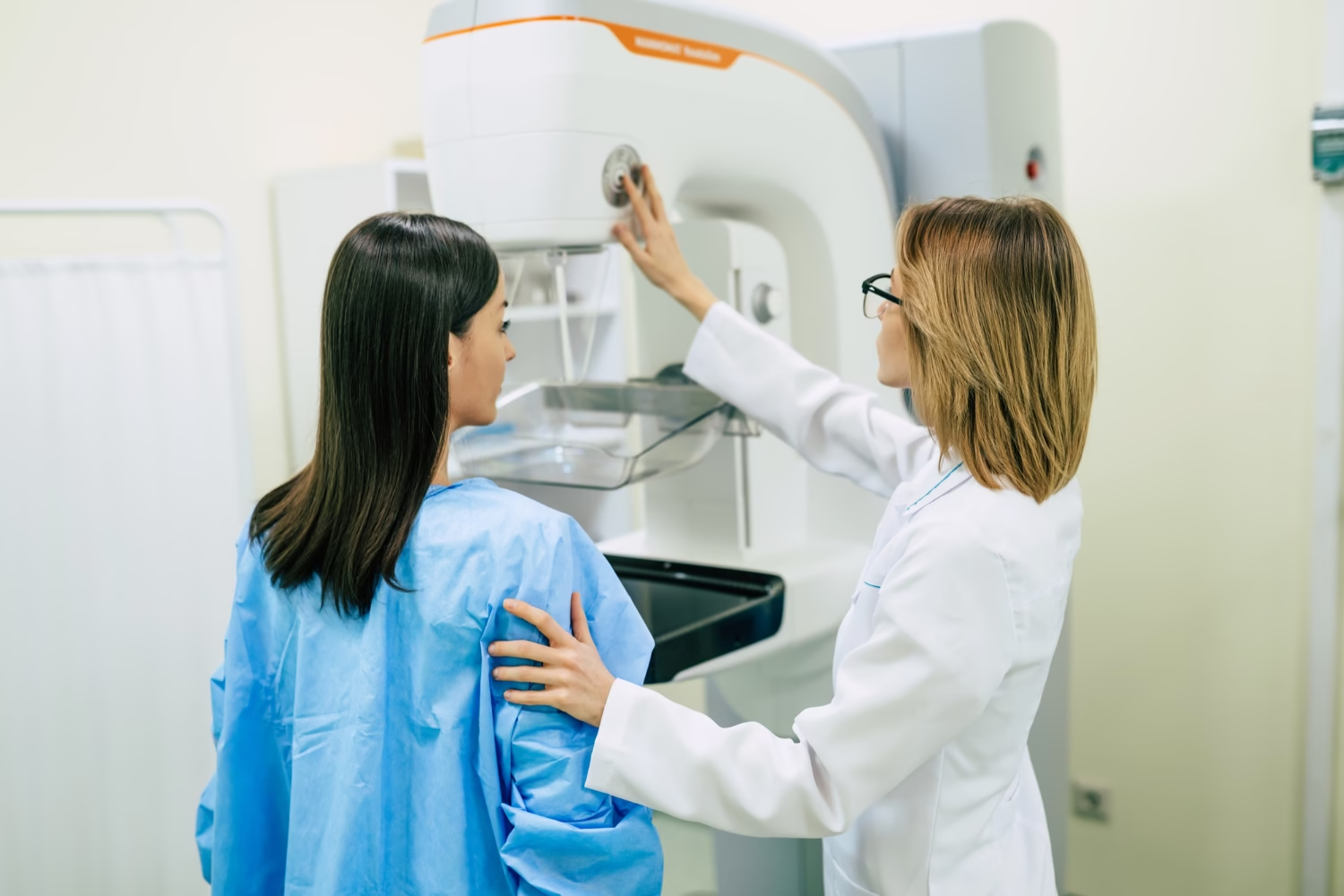
Choosing between a mammogram and breast ultrasound can feel confusing, especially when symptoms or risk factors are involved. Each test serves a different purpose, and picking the right one can impact early detection and peace of mind. This quick comparison helps you see which option fits your situation, whether for screening or diagnosis. Read on to make the right choice with confidence.
What is a Mammography?
A mammogram is a low-dose X-ray test used for breast cancer screening. It helps detect small changes in breast tissue, even before symptoms appear. This makes it one of the most effective tools for early breast cancer detection and routine health screening for women above 40.
This test can identify microcalcifications and early tumors that cannot be felt physically. Doctors recommend mammogram screening at regular intervals, especially for those with higher risk. It plays a key role in reducing late stage diagnosis and improving treatment success rates.
Read our blog on Is Mammo Test Painful? What Really Happens During the Procedure to learn what to expect during a mammogram.
What is Breast Ultrasound
Breast ultrasound is a non invasive imaging test that uses sound waves to create images of breast tissue. It is commonly used when a lump, pain, or abnormality is found, helping doctors see whether it is fluid filled or solid.
This test is especially useful for women with dense breast tissue, where mammograms may not give clear results. However, it does not detect early microcalcifications well, which means it cannot fully replace mammogram screening in early cancer detection.
Differences Between Mammogram and Breast USG
|
Factor |
Mammogram |
Breast Ultrasound |
|
Technology |
Uses low dose X ray to capture full breast images |
Uses sound waves to create images of targeted areas |
|
Purpose |
Used for routine screening and early cancer detection before symptoms appear |
Used for diagnosis and evaluation of specific symptoms like lumps or pain |
|
Early cancer detection |
Strong, detects microcalcifications and early changes |
Limited, may miss very early signs |
|
Dense breast performance |
Less effective in dense breast tissue |
Better clarity in dense breast tissue |
|
Use case |
Preventive screening, especially above 40 |
Symptom evaluation and follow up testing |
|
Procedure |
Requires breast compression, may cause mild discomfort |
Uses handheld probe with gel, usually painless |
|
Radiation |
Involves low dose radiation |
No radiation involved |
Which Test Should You Choose Based on Your Situation
The right test depends on your symptoms, age, and risk level. Mammogram is used for screening, while breast ultrasound helps evaluate pain, lumps, or dense breast tissue more clearly.
Breast pain
If you have breast pain, especially one side or persistent pain, doctors usually recommend ultrasound first. It helps check cysts or infections. Mammogram may follow if needed, especially in older age or if pain continues without a clear cause.
Lump in breast
A lump requires immediate imaging. Ultrasound helps identify if it is fluid or solid, while mammogram checks deeper changes. In many cases, both tests are used together to ensure accurate diagnosis and rule out serious conditions.
Learn more about identifying concerning breast lumps by reading our article, Breast Lump: When to Worry vs Normal Changes – What Women Should Know.
Routine screening
For routine breast cancer screening, mammogram is the first choice. It detects early changes before symptoms appear. Ultrasound is not used alone for screening but may be added if the mammogram shows unclear or suspicious findings.
Age below 40 vs above 40
Below 40, ultrasound is usually preferred due to dense breast tissue. Above 40, mammogram becomes essential for regular screening. Doctors may combine both tests depending on risk factors, symptoms, and family history.
Read our blog on Breast Changes After 40: When to Get a Mammogram Screening Test to learn how breast health needs may change with age.
Can Mammogram and Ultrasound Be Done Together
Yes, both tests are often used together for better accuracy. Mammogram helps detect early cancer signs, while ultrasound provides detailed views of lumps or dense tissue. This combined approach is common in high risk patients or when initial results are unclear. Using both improves detection rates and reduces the chance of missing important findings, especially in complex cases.
Which Test Is More Accurate for Detecting Breast Cancer
Mammogram for Early Detection: Detects microcalcifications and early breast cancer changes before symptoms appear, making it the most reliable screening test for women above 40 and those at higher risk
Breast Ultrasound for Lump Evaluation: Helps assess breast pain and lumps by distinguishing cysts from solid masses, commonly used in younger women and as a follow up after abnormal mammogram findings
Combined Imaging for Better Accuracy: Using mammogram and breast ultrasound together improves detection in dense breast tissue and unclear cases, reducing missed diagnoses and increasing confidence in results
Common Myths About Mammogram and Breast Ultrasound
When to See a Doctor Immediately
Cost and Accessibility of Breast Imaging
Breast imaging tests are widely available and more affordable than many expect. Many diagnostic centers offer package pricing for mammogram and breast ultrasound, making it easier to access both tests when needed. Insurance coverage is also available in many cases, reducing out of pocket cost. Early screening is always more cost effective than late treatment. Booking a test early can save both health and expenses.
Choosing the Right Breast Imaging Test
Mammogram is the primary choice for routine screening and early detection, especially for women above 40 or those with higher risk. Breast ultrasound is used for evaluating symptoms like pain or lumps and gives better clarity in dense breast tissue. The right choice depends on your age, symptoms, and medical history. In many cases, doctors recommend using both tests together for more accurate results and better decision making.
Safe and Affordable Breast Imaging in Dubai
MVR provides advanced mammogram and breast ultrasound services by connecting you with trusted diagnostic centers and expert radiologists for safe and accurate diagnoses. With experienced professionals, modern imaging technology, and affordable packages, you get reliable results without delay. Book your breast screening with confidence and ensure early detection through quality care and expert evaluation.
FAQs
Which is better, a mammogram or a breast ultrasound
A mammogram is better for early breast cancer screening, while an ultrasound is better for checking symptoms like pain or lumps. Both serve different purposes, and doctors often use them together for accurate diagnosis.
Can ultrasound detect breast cancer early?
Ultrasound can detect some cancers, especially visible lumps, but it cannot reliably detect very early changes like microcalcifications. A mammogram remains the primary test for early detection.
Is a mammogram necessary if the ultrasound is normal?
Yes, a mammogram may still be needed because an ultrasound cannot detect all early cancer signs. A normal ultrasound does not always rule out underlying issues.
Why is a mammogram recommended after 40
Breast cancer risk increases with age, and mammograms are effective in detecting early changes before symptoms appear. Regular screening helps reduce late-stage diagnosis.
Does breast pain require an ultrasound or a mammogram?
Breast pain is usually checked first with an ultrasound, especially in younger women. A mammogram may be added if needed, based on age and symptoms.
Which test is best for young women
Breast ultrasound is generally preferred for young women due to dense breast tissue. A mammogram may still be advised in certain cases.
Can an ultrasound detect lumps better than mammogram?
Ultrasound is better at identifying the nature of lumps, whether fluid or solid. A mammogram is better for detecting early hidden changes.
Do I need both tests for an accurate diagnosis?
In many cases, yes. Using both mammogram and ultrasound improves accuracy, especially in dense breasts or unclear findings.
WhatsApp us