

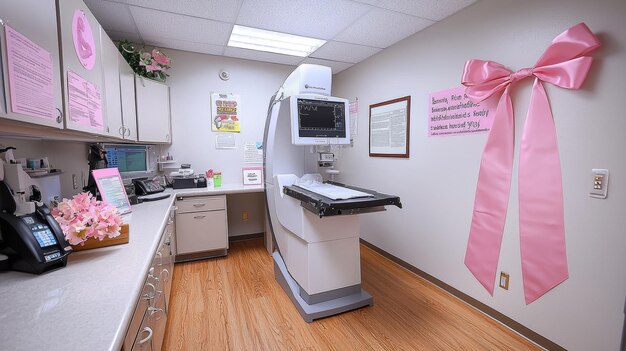
Many women delay a mammogram because they expect the test to be painful. A mammogram is actually a short breast imaging test that uses gentle compression to capture clear X ray images of breast tissue. The pressure lasts only a few seconds and helps doctors detect early signs of breast cancer. Knowing what happens during the screening reduces fear and helps women prepare confidently. Read on to know how the procedure works and what to expect.
A mammogram is a specialized breast imaging test used to examine breast tissue for abnormalities that may not be felt during a physical examination. Doctors use mammography screening to detect early signs of breast cancer, cysts, and other breast changes.
Mammography uses a low dose X ray system designed specifically for breast imaging. The breast is placed on a flat imaging platform, and a compression plate gently presses the tissue so that clear images can be captured. This compression spreads the breast tissue evenly, allowing the radiologist to see small structures that may indicate abnormal growth.
The mammogram machine captures detailed X ray images from different angles. These images are then analyzed by a radiologist who looks for signs such as calcifications, lumps, or unusual tissue patterns.
The mammography screening process is widely used in hospitals and diagnostic centers because it allows doctors to detect breast cancer in its early stages. Early detection often means simpler treatment and higher chances of recovery.
There are two primary types of mammography used in medical imaging centers.
Both types of mammography play an important role in breast cancer screening programs across Dubai and the UAE.
Regular mammography screening plays a major role in preventive healthcare for women. Doctors recommend this test because breast cancer often develops silently without early symptoms.
Early imaging through a mammogram test allows doctors to identify abnormal cells or small tumors before they grow or spread.
Mammography can identify tiny changes in breast tissue that are impossible to detect through self examination alone. Radiologists are trained to identify subtle patterns in breast images that may indicate early stage cancer.
Mammograms help detect several changes within the breast.
When breast cancer is detected early, treatment options are usually more effective and less invasive. Early diagnosis significantly improves survival rates and reduces the complexity of treatment.
Healthcare professionals recommend mammography screening based on age and risk factors.
Most doctors follow these screening guidelines.
Regular screening allows doctors to track changes in breast tissue over time and detect abnormalities quickly.
Many patients ask whether a mammogram test causes pain. The answer is that mammography usually causes only brief pressure rather than severe pain.
During the test the breast is gently compressed between two plates. This compression helps spread the tissue so that clear X ray images can be captured. The pressure lasts only a few seconds for each image.
Some women describe the sensation as mild discomfort or tightness, while others feel only slight pressure. Pain levels vary depending on breast sensitivity, menstrual cycle timing, and individual tolerance.
Most mammogram appointments take less than twenty minutes, and the compression part of the procedure lasts only a few seconds. Experienced radiology technicians adjust the pressure carefully to keep the test comfortable while still producing accurate images.
Breast compression is necessary for several important medical reasons. It improves the accuracy of the mammography test and ensures that small abnormalities can be detected clearly.
The main benefits of compression include the following.
Without compression the images may appear blurry, which can make it difficult for doctors to identify early signs of breast cancer.
A mammogram procedure is simple and usually completed in a short visit to a diagnostic center. Knowing the process helps patients feel more relaxed before the test.
The mammography procedure follows several steps.
Each image takes only a few seconds to capture. Most mammography appointments last around fifteen to twenty minutes in total.
A mammogram appointment is usually quick and efficient. The imaging part of the test takes only a few minutes, while the rest of the time is used for preparation and positioning.
In most cases.
Results are usually reviewed by a radiologist and shared within a few days depending on the diagnostic center.
Modern radiology centers use advanced imaging systems that improve the accuracy of breast screening. Dedicated coil mammography is one such technology that enhances image clarity and diagnostic precision.
This imaging technique uses a specialized coil designed specifically for breast imaging. The coil allows the imaging system to capture highly detailed views of breast tissue.
Dedicated coil mammography is an advanced imaging method that focuses on improving the quality of breast images. The specialized coil system captures high resolution data from breast tissue, allowing radiologists to identify subtle abnormalities more clearly.
This technology is often used in advanced diagnostic settings where detailed breast evaluation is required.
Dedicated coil systems provide several advantages in breast imaging.
These features allow radiologists to analyze breast tissue with greater detail, which supports early diagnosis and better clinical decisions.
Mammography screening is widely available across hospitals and diagnostic centers in Dubai and other UAE cities. The cost of a mammogram test depends on the facility, imaging equipment, and radiologist reporting.
The typical cost for a standard mammogram test in many diagnostic centers in the UAE is approximately AED 550.
Pricing may vary slightly depending on the medical facility and additional services included in the screening.
Several factors can influence the final price of mammography.
Despite these variations, mammography remains one of the most affordable and valuable screening tests for early breast cancer detection.
A few simple steps can help make the mammogram procedure more comfortable. Many patients find that small preparation steps significantly reduce the pressure sensation during imaging.
These practical suggestions may help reduce discomfort.
Following these steps allows the radiology technician to position the breast more easily and capture clear images with minimal pressure.
Preparing for a mammogram is simple and requires only a few precautions before visiting the diagnostic center.
Proper preparation ensures accurate imaging results and prevents interference with the mammography equipment.
Before the mammogram appointment patients should follow these recommendations.
These simple steps help radiologists obtain clear breast images and compare them with previous screenings if necessary.
Mammography screening is recommended for women at certain ages or with specific risk factors. Doctors use these guidelines to identify individuals who may benefit most from regular breast imaging.
The following groups are usually advised to undergo routine mammogram screening.
Routine screening helps doctors detect early changes in breast tissue and monitor health over time.
Certain symptoms may require immediate diagnostic imaging rather than routine screening.
When these symptoms appear doctors may recommend a diagnostic mammogram to evaluate the breast tissue more closely.
Many patients worry about radiation exposure during mammography. In reality the radiation dose used in a mammogram test is very low and carefully controlled by modern imaging systems.
Medical imaging centers follow strict safety standards to ensure patient protection.
The radiation dose used during a mammogram is extremely small and considered safe for routine screening. It is much lower than the radiation used in many other diagnostic imaging tests.
Regular mammography screening is approved by international health organizations because the benefits of early cancer detection greatly outweigh the minimal radiation exposure.
Radiology centers follow strict safety protocols to protect patients.
These safety practices ensure that mammography remains a safe and reliable screening tool.
A mammogram test does not require recovery time. The procedure is non invasive and does not involve injections or medication.
Most patients leave the diagnostic center immediately after the screening and continue their normal routine.
You can return to work, drive, exercise, and carry out daily activities without restrictions. If mild breast tenderness occurs after the compression it usually disappears within a short time.
Results are typically reviewed by a radiologist and shared with the patient or referring doctor within a few days.
A mammogram is a simple and effective test that plays a major role in early breast cancer detection. Although the procedure involves brief breast compression, the discomfort usually lasts only a few seconds. Modern imaging technology and experienced radiology technicians help ensure that the test remains safe and efficient. Regular mammography screening allows doctors to detect abnormalities early and provide timely treatment when needed.
MVR provides trusted and advanced mammography screening services in Dubai using high quality diagnostic imaging technology and skilled medical professionals. The center focuses on accurate results, patient comfort, and reliable breast imaging for early detection of abnormalities. With experienced radiologists and modern equipment, MVR offers affordable mammogram screening packages that make preventive healthcare accessible while ensuring precise diagnostic evaluation in a safe clinical environment.
WhatsApp us