

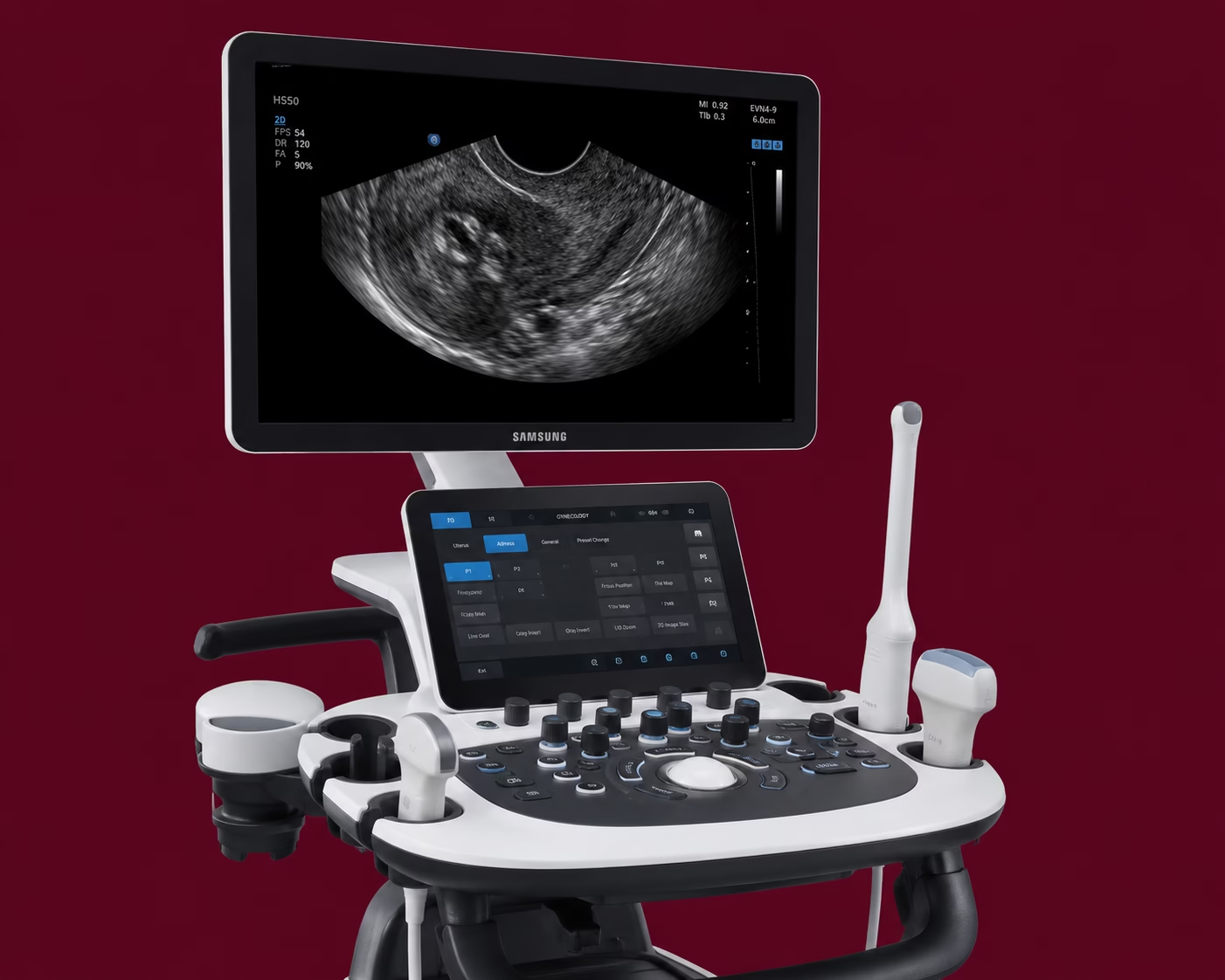
Many women feel nervous before a USG pelvis TVS scan, especially when they do not know what happens during the procedure. Questions about pain, discomfort, preparation, and safety are very common. A lack of clear information can make the experience seem more stressful than it actually is. Read on to learn what a USG pelvis TVS scan involves, whether it hurts, and what you can expect before, during, and after the examination.
What Is a USG Pelvis TVS Scan and Why Is It Performed?
A USG pelvis TVS scan provides detailed images of female pelvic organs and helps healthcare providers evaluate various gynecological concerns.
Conditions Commonly Evaluated With a TVS Scan
A USG pelvis TVS scan is often recommended when doctors need a closer view of the uterus, ovaries, cervix, and surrounding pelvic structures. It can help assess symptoms, monitor existing conditions, and support further medical evaluation when necessary.
How TVS Differs From a Standard Pelvic Ultrasound
A standard pelvic ultrasound captures images through the abdomen, while a TVS scan uses a small ultrasound probe placed inside the vagina. This approach allows clearer imaging of pelvic organs and may help provide more detailed diagnostic information.
Does a USG Pelvis TVS Scan Hurt?
For most women, a USG pelvis TVS scan is not painful. Some patients may experience mild pressure or temporary discomfort when the probe is inserted, but significant pain is not usually expected. The experience often depends on individual sensitivity, existing pelvic conditions, and personal comfort levels. Many women describe the procedure as similar to a routine gynecological examination and find it easier than they initially expected.
What Happens During the Procedure?
Knowing the process beforehand can help reduce anxiety and make the appointment feel more comfortable.
Before the Scan Begins
Before the scan, patients may receive preparation instructions and complete registration procedures. Depending on the examination requirements, bladder preparation guidance may also be provided. Healthcare staff explain the process and answer questions before the procedure begins.
During the Examination
The ultrasound probe is covered and prepared before gentle insertion. Images of the pelvic organs are captured while the sonographer adjusts the position as needed. The examination usually takes a short time, and patients can communicate any concerns throughout the procedure.
Factors That May Affect Comfort During a TVS Scan
Certain factors can influence how comfortable a USG pelvis TVS scan feels. Women with pelvic inflammation, endometriosis, ovarian cysts, or increased pelvic sensitivity may notice more discomfort than others. Anxiety can also cause muscle tension, which may make the examination feel less comfortable. Informing the healthcare team about any concerns before the scan can help them take steps to improve comfort during the procedure.
First Time Examination: Some patients feel nervous before their first scan, which may increase temporary discomfort during the procedure.
Pelvic Conditions: Existing pelvic conditions may make certain movements or pressure feel more noticeable during imaging.
Anxiety Levels: Feeling anxious can lead to muscle tension and reduced comfort during the examination.
Individual Sensitivity: Every person experiences medical procedures differently, and comfort levels can vary significantly.
Communication With Staff: Informing staff about concerns helps them adjust the procedure when possible.
Probe Positioning: Small adjustments in positioning may improve comfort and image quality.
Relaxation Techniques: Staying relaxed often helps reduce temporary discomfort during the scan.
How to Prepare and Feel More Comfortable Before Your Appointment
Preparing properly can help patients feel more confident and comfortable before a USG pelvis TVS scan.
- Follow all preparation instructions carefully.
- Wear comfortable clothing for easier changing.
- Arrive early to complete registration procedures.
- Bring previous reports if available.
- Inform staff about existing medical conditions.
- Ask questions before the examination begins.
- Stay relaxed and breathe normally throughout.
Feel More Confident Before Your USG Pelvis TVS Scan
A USG pelvis TVS scan is a commonly performed imaging procedure that provides valuable information about female pelvic health. While some women may experience mild pressure or temporary discomfort, the scan is generally well tolerated and completed within a short period. Knowing what happens before and during the examination can help reduce anxiety and make the experience more comfortable. Following preparation instructions and communicating concerns with healthcare staff can also contribute to a smoother appointment.
Frequently Asked Questions
Is a USG pelvis TVS scan painful for first time patients?
Most first time patients experience mild pressure rather than pain. While individual experiences vary, the procedure is generally well tolerated and usually lasts only a short period.
How long does a TVS scan usually take?
A TVS scan commonly takes between 10 and 30 minutes. The exact duration depends on the reason for the examination and the images required.
Do I need a full bladder before a TVS scan?
Preparation instructions vary depending on the examination. Many TVS scans are performed with an empty bladder, but patients should follow the guidance provided before their appointment.
Can a TVS scan be performed during menstruation?
Yes, in many cases a TVS scan can still be performed during menstruation. The timing depends on the purpose of the examination and medical recommendations.
Is a USG pelvis TVS scan safe?
Yes. A USG pelvis TVS scan uses ultrasound technology and does not involve ionizing radiation. It is widely used for evaluating various gynecological concerns.
What conditions can a TVS scan help evaluate?
A TVS scan may assist in evaluating pelvic pain, abnormal bleeding, ovarian cysts, fibroids, fertility concerns, and certain pregnancy related assessments.
What should I do if I feel discomfort during the procedure?
Tell the sonographer immediately if you feel discomfort. They can make adjustments when possible and help ensure the examination is completed as comfortably as possible.