
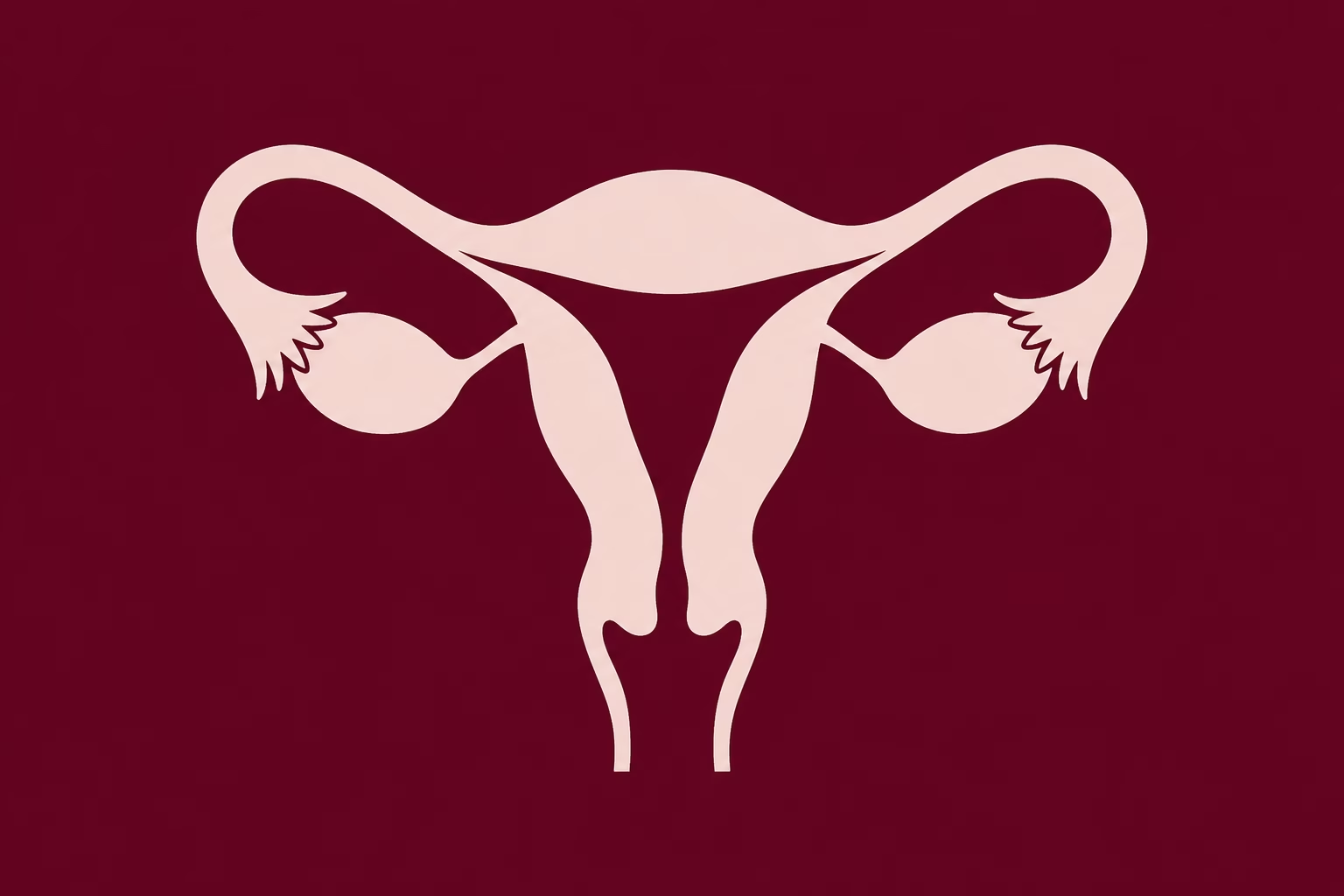
PCOS and PCOD are among the most common hormonal conditions affecting women of reproductive age. Many women experience symptoms such as irregular periods, acne, unwanted hair growth, weight gain, or difficulty getting pregnant without realizing these signs may be connected. Early identification can help prevent complications and improve quality of life. Read on to learn how PCOS is diagnosed, which blood tests are important, and the treatment options available.
Polycystic Ovary Syndrome, or PCOS, is a hormonal disorder that affects ovulation, metabolism, and reproductive health. PCOD, or Polycystic Ovarian Disease, is often considered a less severe condition where the ovaries produce immature eggs that may form small cysts.
Many people use the terms PCOS and PCOD interchangeably, but PCOS is generally associated with broader hormonal and metabolic changes. Both conditions can affect menstrual cycles, fertility, and overall health, making early evaluation important for long term wellbeing.
Many women first notice changes in their menstrual cycle or skin. Others seek medical advice when fertility concerns arise. Symptoms can develop gradually and may vary significantly from person to person.
Periods may become unpredictable, delayed, or completely absent for months. Irregular ovulation is one of the most common signs doctors look for when evaluating possible PCOS.
Hormonal imbalances can increase oil production, leading to persistent acne on the face, chest, shoulders, or back, even after the teenage years.
Many women with PCOS notice weight gain around the abdomen. Losing weight may also become more difficult despite following a healthy diet and exercise routine.
Higher androgen levels may cause unwanted hair growth on the chin, upper lip, chest, abdomen, or other areas where men typically grow hair.
While excess hair develops in some areas, scalp hair may become thinner. This pattern often resembles male pattern hair loss.
Hormonal fluctuations can contribute to mood swings, anxiety, low energy levels, and emotional changes that affect daily life.
Discover the key symptoms associated with PCOS by reading our article, PCOS Symptoms in Women: What to Watch For.
Irregular Menstrual Cycles: Missing periods, infrequent periods, or unpredictable menstrual cycles may indicate irregular ovulation and hormonal imbalance.
Excess Androgen Levels: Elevated male hormones can contribute to acne, facial hair growth, oily skin, and scalp hair thinning.
Polycystic Ovaries: Ultrasound imaging may reveal multiple small follicles within the ovaries, which is one of the diagnostic features.
Weight Gain and Insulin Resistance: Difficulty managing weight and signs of insulin resistance are commonly associated with PCOS.
Fertility Challenges: Irregular ovulation can make conception more difficult and may require medical evaluation.
For more information, explore our article on Cyst on Ovary: Benefits of Early Detection and Timely Care.
There is no single test that can confirm PCOS. Doctors usually combine symptom assessment, physical examination, blood testing, and ultrasound findings before making a diagnosis.
Accurate diagnosis is important because several conditions can mimic PCOS symptoms, including thyroid disorders and elevated prolactin levels. A complete evaluation helps identify the true cause and guides appropriate treatment.
A PCOS blood test panel helps identify hormonal imbalances and rule out other medical conditions.
These reproductive hormones help regulate ovulation. An abnormal ratio may support a PCOS diagnosis.
Higher testosterone levels may explain symptoms such as acne, unwanted hair growth, and scalp hair thinning.
Insulin testing helps identify insulin resistance, which affects many women with PCOS.
Thyroid disorders can cause symptoms similar to PCOS, making this an important screening test.
Learn more about the importance of timely thyroid testing in our blog, When Should You Take a TSH Test for Preventive Care.
Abnormal prolactin levels can disrupt menstrual cycles and fertility.
Glucose and HbA1c testing help evaluate diabetes risk and metabolic health.
Blood tests cannot diagnose PCOS by themselves, but they provide important clues. Hormonal imbalances, elevated androgen levels, and insulin resistance indicators help doctors build a complete clinical picture.
Ultrasound imaging remains important because some women may have hormone abnormalities without visible ovarian changes, while others may have polycystic ovaries without meeting full diagnostic criteria.
Insulin resistance affects a large percentage of women with PCOS and may appear long before diabetes develops.
Birth control pills can regulate periods and reduce acne or unwanted hair growth. While this may improve symptoms, it can also make diagnosis more challenging because hormone levels and menstrual patterns are altered.
Women who suspect PCOS while taking birth control should discuss testing options with their healthcare provider. In some cases, doctors may recommend additional evaluation after discontinuing hormonal contraception.
PCOD: Ovaries produce immature eggs, symptoms are often milder, fertility impact varies.
PCOS: Hormonal disorder affecting ovulation, metabolism, insulin regulation, and reproductive health.
Long Term Effects: PCOS generally carries a greater risk of insulin resistance, type 2 diabetes, and cardiovascular complications if left unmanaged.
Although both conditions affect reproductive health, they present differently.
The exact cause remains unclear, but researchers believe several factors contribute to its development.
Treatment depends on symptoms, age, fertility goals, and overall health status.
Healthy eating habits, regular physical activity, and weight management can significantly improve symptoms and hormone balance.
Even modest weight reduction may improve ovulation, menstrual regularity, and insulin sensitivity.
Hormonal medications may help regulate menstrual cycles and reduce symptoms caused by elevated androgen levels.
Explore our guide on 8 Types of Abnormal Menstruation Every Woman Should Know for insights into common menstrual disorders and their causes.
Medications such as metformin may be recommended when insulin resistance is present.
Women trying to conceive may benefit from ovulation induction treatments and fertility focused care.
A balanced diet can help manage symptoms and improve metabolic health.
Many experts recommend focusing on high protein foods, fiber rich vegetables, healthy fats, and limiting highly processed foods. Stable blood sugar levels can help reduce insulin resistance and improve hormone regulation.
High Protein Choices: Eggs, fish, chicken, Greek yogurt.
Fiber Rich Foods: Vegetables, fruits, legumes, whole grains.
Foods to Limit: Sugary drinks, refined carbohydrates, highly processed snacks.
Currently, there is no permanent cure for PCOS. However, symptoms can often be managed successfully through lifestyle modifications, medication, and regular medical follow up.
Many women with PCOS live healthy lives, maintain fertility, and reduce long term health risks through consistent management strategies tailored to their individual needs.
Keeping track of menstrual cycles, weight changes, skin conditions, and hair growth patterns may help identify possible warning signs. However, self observation alone cannot confirm PCOS.
A proper diagnosis requires medical evaluation, blood testing, and often an ultrasound examination. If symptoms persist, seeking professional advice is the best next step.
Can a blood test tell if you have PCOS?
Blood tests provide important information about hormones and insulin levels, but doctors usually combine test results, symptoms, and ultrasound findings before confirming a diagnosis.
What is often the first sign of PCOS?
Irregular periods are commonly one of the earliest signs. Some women also notice acne, weight gain, or unwanted facial hair.
What does a PCOS belly look like?
Many women with PCOS store excess fat around the abdomen due to insulin resistance, though body shape varies significantly between individuals.
How do you know if you have PCOS symptoms?
Common symptoms include irregular periods, acne, facial hair growth, scalp hair thinning, weight gain, and fertility challenges.
Can birth control hide PCOS symptoms?
Yes. Birth control pills can regulate periods and reduce acne or hair growth, which may make PCOS symptoms less noticeable.
Can PCOS affect fertility?
Yes. Irregular ovulation can make conception more difficult, although many women successfully become pregnant with appropriate treatment.
Is PCOS a lifelong condition?
PCOS is generally considered a long term condition, but symptoms can often be effectively managed through medical care and healthy lifestyle choices.
Recognizing the signs of PCOS early can help prevent future complications and improve quality of life. If you experience irregular periods, persistent acne, unwanted hair growth, weight gain, or fertility concerns, seeking medical evaluation is an important next step. Blood tests, ultrasound imaging, and professional assessment can provide answers and guide effective treatment. With the right support and management plan, many women successfully control symptoms and protect their long term health.
MVR provides trusted and advanced PCOS and PCOD diagnostic services in Dubai using modern diagnostic technology and experienced medical professionals. Our comprehensive screening approach includes hormone testing, ultrasound imaging, and reproductive health assessments to support accurate diagnosis and treatment planning. We focus on patient comfort, reliable results, and affordable diagnostic packages tailored to individual needs. With skilled healthcare teams and quality driven care, MVR helps women take confident steps toward better hormonal and reproductive health.
WhatsApp us