
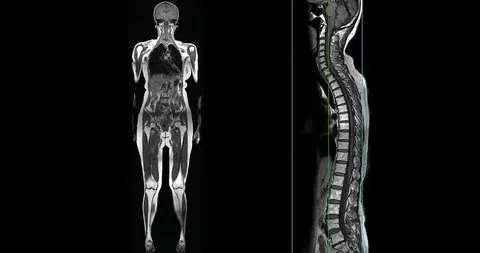
A head to toe MRI scan is often chosen before symptoms begin. Many people want clarity about their health without waiting for pain or illness. This scan helps doctors look inside the body in a detailed and safe way. But many still ask what exactly is covered and what is not. Knowing this helps you decide if a preventive full body MRI fits your health goals and expectations.
A head to toe MRI scan is a preventive imaging test that examines major organs and systems of the body in one planned session. It is designed to detect hidden health issues early, before symptoms appear. A preventive MRI scan does not focus on one complaint like pain or injury. Instead, it looks at the body as a whole.
This scan uses magnetic fields and radio waves to create detailed images. There is no radiation involved. The goal is early identification of structural changes, growths, or abnormalities that may need follow up. A preventive full body MRI is often used as a baseline scan, helping doctors compare future changes if needed.
The scan does not diagnose disease on its own. It provides visual information that supports medical decision making. This makes it useful for people who want a proactive approach to health.
Preventive MRI scans are becoming more common because many serious conditions develop silently. Problems in the brain, spine, or internal organs may not cause pain in early stages. A preventive MRI allows these issues to be seen earlier.
Modern lifestyles also increase health risks. Long working hours, stress, lack of exercise, and family history of illness all play a role. People now prefer prevention over waiting for symptoms.
Key reasons people choose preventive MRI include
A preventive full body MRI supports informed health choices rather than reactive treatment.
A head to toe MRI scan follows a structured approach. The body is scanned region by region to ensure consistent coverage. While protocols may vary slightly, core areas remain standard in most preventive MRI scans.
The scan usually moves from the head down to the pelvic region, covering vital organs, spine, and major vessels.
The brain is one of the most important areas covered in a head to toe MRI scan. This region is often scanned first. The goal is to identify structural changes that may not cause symptoms early.
The scan helps doctors look for issues such as silent strokes, abnormal growths, or age related changes. It also checks the spaces within the brain and surrounding structures.
Common areas reviewed include
A preventive MRI scan of the brain provides valuable insight even when no symptoms are present.
The spine connects the brain to the rest of the body. A preventive full body MRI carefully examines the entire spine. This includes the neck, upper back, and lower back.
Spinal imaging helps identify disc changes, nerve compression, or alignment issues that may worsen over time. Many spinal problems develop slowly and remain unnoticed until advanced.
Areas covered include
This part of the scan supports early care planning and posture related health management.
The chest region is an important part of a head to toe MRI scan. It includes vital organs that support breathing and circulation. Preventive imaging here focuses on structure rather than function.
The scan can reveal abnormal growths, fluid collections, or vessel changes. It is helpful for people with family history of heart or lung conditions.
The chest MRI usually covers
A preventive MRI scan offers a radiation free way to review these areas.
The abdominal region includes several organs that often develop silent conditions. A preventive MRI scan of this area helps detect early changes that blood tests alone may not show.
Doctors carefully review each organ for size, shape, and tissue changes. This section is especially useful for people with digestive concerns or metabolic risks.
Organs commonly included are
A preventive full body MRI provides a clear picture of abdominal health.
The pelvic region is another key area covered in a head to toe MRI scan. This area includes organs that support urinary and reproductive health.
The scan evaluates structures for growths, inflammation, or anatomical changes. Coverage may differ slightly based on gender but core structures remain the same.
Pelvic imaging includes
This part of the preventive MRI scan supports early identification of conditions that may otherwise remain unnoticed.
A preventive MRI also reviews major blood vessels and soft tissues throughout the body. This helps identify vessel narrowing, abnormal masses, or tissue changes.
Soft tissue imaging is important because many issues do not affect bones or organs directly. These findings often guide further evaluation when needed.
Covered areas may include
This broad review adds depth to a preventive full body MRI.
While a preventive MRI scan offers wide coverage, it has limits. It does not detect every possible health issue. Very small or microscopic changes may not appear on imaging.
Functional disorders that affect how organs work rather than how they look may also go unnoticed. Early stage infections or chemical imbalances usually need blood tests.
It is important to remember
Clear expectations help avoid confusion and build trust in the process.
A head to toe MRI scan is not only for people who feel unwell. Many healthy individuals choose it as part of preventive care.
People who may consider this scan include
A preventive MRI supports informed decisions rather than fear based testing.
There is no fixed rule for how often a preventive MRI scan should be repeated. The frequency depends on age, personal risk factors, and medical advice.
Some people choose it once for baseline information. Others may repeat it after several years if advised. The decision should always be guided by a healthcare professional.
Factors influencing frequency include
Personalized planning is always preferred.
A head to toe MRI scan is considered safe for most people. It does not use radiation, making it suitable for preventive screening.
The scan is non invasive and usually well tolerated. Patients lie still while images are taken. Comfort measures are often provided to reduce anxiety.
Key safety and comfort points include
Patient comfort is an important part of preventive MRI services.
After the scan, images are reviewed by trained specialists. A detailed report is prepared explaining the findings in clear terms.
Not all findings mean disease. Many are incidental and require only observation. If something needs attention, further evaluation may be advised.
Post scan steps usually include
This process ensures clarity and reduces unnecessary worry.
A head to toe MRI scan offers a detailed look at the body before symptoms appear. It supports early detection, informed planning, and peace of mind. Knowing what areas are covered helps set realistic expectations and avoid confusion. A preventive MRI is not about fear. It is about proactive care and making thoughtful health decisions based on clear information.
MVR provides trusted and advanced diagnostic care for head to toe MRI scans in Dubai using high quality imaging technology and skilled medical professionals. The focus is on accurate results, patient comfort, and clear reporting. MVR offers affordable preventive MRI and diagnostic packages designed for early detection and peace of mind. Patients can expect a calm experience, professional care, and reliable screening support tailored to preventive health needs.
WhatsApp us