

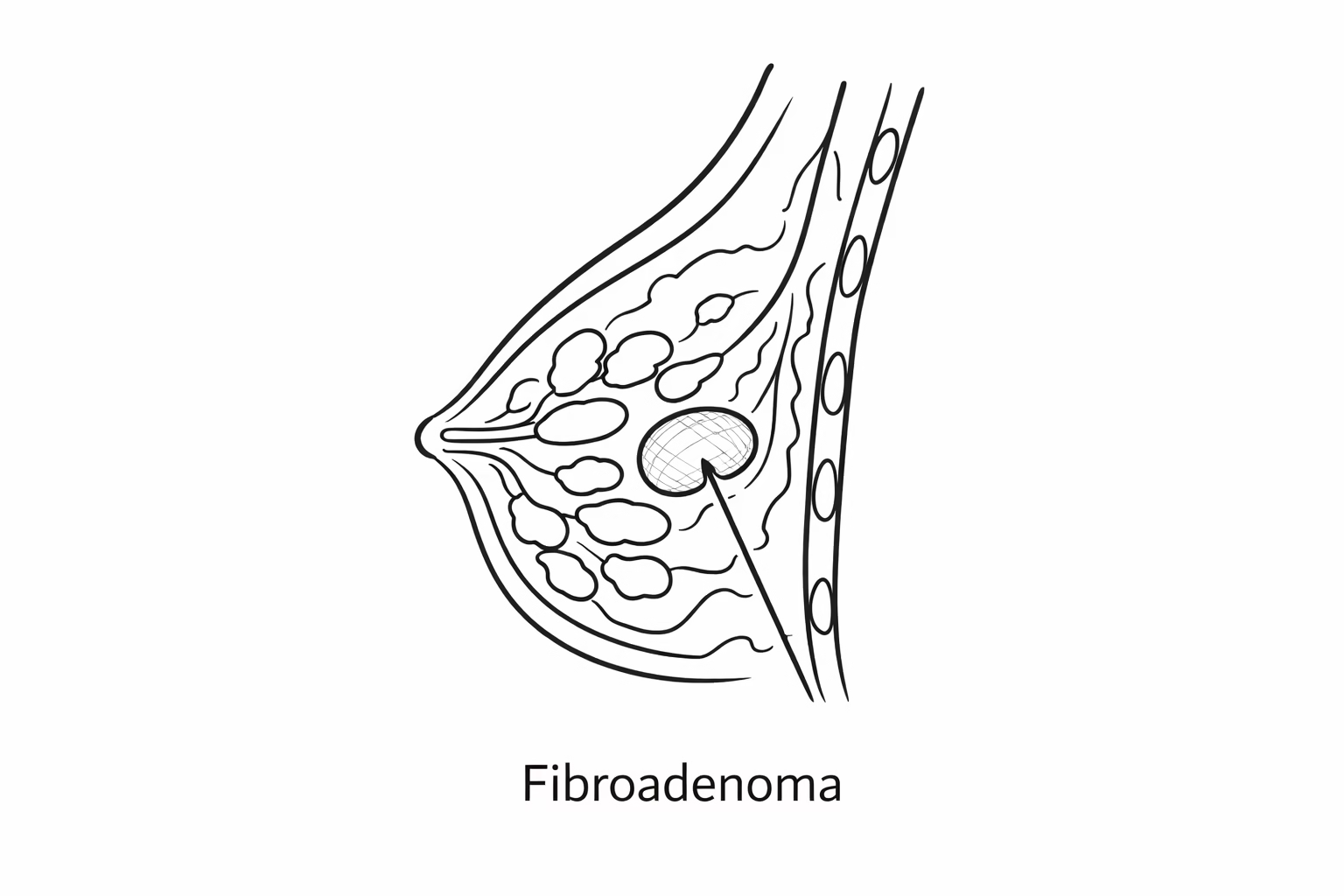
Fibroadenoma breast is a common type of breast lump that is usually non cancerous and harmless. Many women feel worried when they notice a lump, but most fibroadenomas are benign and manageable. Proper diagnosis is important to confirm the condition, often using ultrasound or mammogram. Early evaluation helps avoid confusion and ensures safe care. Read on to know.
Fibroadenoma breast is a non cancerous breast lump made of glandular and fibrous tissue. It is most common in young women and usually feels smooth, firm, and movable under the skin. These lumps are linked to hormonal influence, especially estrogen sensitivity. They may change in size during different stages of life. Even though it is benign, proper medical evaluation is always recommended.
Hormonal changes
Hormonal fluctuations are the main reason behind breast fibroadenoma causes. Increased estrogen levels stimulate breast tissue growth, leading to lump formation. These changes are common during puberty, menstrual cycles, pregnancy, and other hormone related phases in women.
Age and reproductive stage
Fibroadenoma breast is more common during reproductive years when hormone activity is higher. Younger women are more likely to develop these lumps due to active breast tissue changes influenced by natural hormonal cycles and body development stages.
Genetic and lifestyle factors
Family history and certain lifestyle patterns may contribute to breast fibroadenoma causes. While not directly inherited, some women may have a higher tendency due to genetic factors combined with environmental and hormonal influences.
Smooth, round breast lump fibroadenoma moves easily under skin
Lump feels firm but not hard or irregular in shape
Usually painless, but mild discomfort may occur sometimes
Size may change slowly over time with hormonal shifts
Lump remains well defined and separate from surrounding tissue
Benign vs risk
Fibroadenoma breast is considered benign and not harmful in most cases. It does not usually develop into cancer. However, regular monitoring is important to ensure there are no unusual changes in size or structure over time.
When it needs attention
If the lump grows quickly, becomes painful, or changes in shape, medical evaluation is needed. Even though fibroadenoma is not dangerous, timely diagnosis helps rule out other conditions and ensures proper care.
Doctors begin fibroadenoma diagnosis with a physical check of the lump. They assess its size, shape, and movement. A smooth and movable lump often indicates fibroadenoma, but further tests are required for confirmation.
Ultrasound is commonly used, especially in younger women, as it gives a clear image without radiation. It helps identify the nature of the lump and supports accurate fibroadenoma diagnosis in early stages.
Mammogram breast imaging provides detailed views of breast tissue and detects abnormalities. In the UAE, a bilateral mammogram costs around AED 700, while a unilateral test costs about AED 400 for screening.
To understand age-related changes, explore our guide on breast changes after 40 and when to get a mammogram screening test.
If imaging results are unclear, a biopsy may be performed. A small tissue sample is tested to confirm that the lump is non cancerous and to ensure accurate fibroadenoma diagnosis.
Fibroadenoma treatment is not always required, especially if the lump is small and does not cause symptoms. Many cases are safely monitored with regular checkups and imaging to ensure there are no changes over time.
Treatment may be needed if the lump grows, causes discomfort, or creates concern. In such cases, removal is considered. The decision depends on symptoms, size, and medical advice based on individual condition.
|
Feature |
Fibroadenoma |
Breast Cancer |
|
Nature |
Benign lump |
Malignant tumor |
|
Texture |
Smooth and firm |
Hard and irregular |
|
Movement |
Moves under skin |
Usually fixed |
|
Pain |
Usually painless |
May or may not cause pain |
|
Growth |
Slow or stable |
May grow faster |
You should see a doctor if you notice sudden growth in the lump, pain, or changes in shape. Family history of breast conditions also increases the need for evaluation. Any new lump should be checked early to confirm its nature. Even if it seems harmless, proper medical advice ensures safety and avoids unnecessary worry or delay in diagnosis.
Some fibroadenoma breast lumps may shrink or disappear naturally over time, especially in younger women. This happens due to hormonal changes in the body. However, not all lumps go away on their own. Regular monitoring is important to ensure the lump remains stable and does not show unusual growth or changes that may require further evaluation.
Regular breast screening helps detect fibroadenoma breast early and manage it effectively. Self checks, along with ultrasound and mammogram, provide accurate evaluation of breast lumps. Early detection reduces anxiety and ensures timely care. Screening also helps identify other breast conditions at an early stage, improving overall outcomes and supporting better long term breast health.
For a deeper understanding, explore our detailed guide on mammogram screening and early detection of breast cancer.
Fibroadenoma breast is usually harmless, but ignoring a lump is not recommended. Early diagnosis through proper screening ensures safety and clarity. Regular monitoring and timely consultation help manage the condition effectively. Staying alert to changes and following medical advice supports better breast health and reduces unnecessary worry, giving confidence through accurate and early detection.
To stay informed, explore our guide on early signs of breast cancer, including common changes, symptoms, and awareness tips.
MVR provides trusted and advanced diagnostic care in Dubai using high quality technology and skilled medical professionals. Patients receive accurate results with a strong focus on comfort and safety during every screening. Affordable screening and diagnostic packages make it easier to access timely breast evaluation without delay. MVR ensures a smooth and supportive experience, helping individuals take the right steps toward early detection and better health outcomes.
1. What size fibroadenoma is considered large
A fibroadenoma larger than two to three centimeters is generally considered large and may require closer monitoring or removal based on symptoms and medical advice.
2. Can fibroadenoma turn into cancer
Fibroadenoma is usually benign and rarely turns into cancer. Regular checkups help ensure there are no unusual changes over time.
3. Is fibroadenoma painful
Most fibroadenomas are painless, but some may cause mild discomfort during hormonal changes or menstrual cycles.
4. At what age is fibroadenoma common
Fibroadenoma is most common in younger women, especially during teenage years and early thirties due to higher hormonal activity.
5. How fast can fibroadenoma grow
Fibroadenomas usually grow slowly, but some may increase in size. Rapid growth should be evaluated by a doctor.
6. Can fibroadenoma be treated without surgery
Yes, many fibroadenomas are monitored without surgery if they remain small and do not cause symptoms.
7. Is mammogram safe for young women
Mammogram is safe, but ultrasound is often preferred for younger women. Doctors decide based on age and condition.
WhatsApp us