
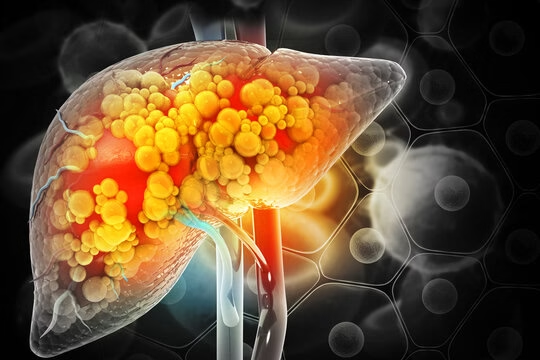
Fatty liver disease happens when excess fat builds up inside the liver and gradually interferes with its normal function. Many people do not feel anything in the early stages, which makes early detection very important. If you constantly feel tired, notice abdominal discomfort, or have risk factors such as obesity or diabetes, screening can help prevent serious liver problems later in life. This guide explains symptoms, risks, warning signs, and how timely diagnosis protects long term liver health.
What Is Fatty Liver Disease
Fatty liver disease is a condition in which extra fat collects inside liver cells. The liver normally processes nutrients, filters toxins, and supports digestion. When too much fat accumulates inside hepatocytes, the tissue becomes irritated and inflamed. In many people the early stage produces very few noticeable symptoms. The problem usually starts silently and slowly increases over time.
The fat that collects may come from excess sugar or fat in the diet, slow metabolism, or reduced ability of the liver to process triglycerides. Some individuals have alcoholic fatty liver disease caused by excess alcohol intake. Others develop nonalcoholic fatty liver disease when fat accumulates without heavy drinking.
The main concern is inflammation. Over time inflammation may lead to liver damage, scarring, or even failure. This is why awareness and early detection are essential before serious damage develops.
What Is Nonalcoholic Fatty Liver Disease
Nonalcoholic fatty liver disease, also called NAFLD, appears when fat builds up in the liver unrelated to alcohol use. NAFLD is strongly linked with metabolic disorders such as diabetes, obesity, high cholesterol, and insulin resistance. Today NAFLD is one of the most common chronic liver conditions worldwide.
NAFLD is different from alcoholic fatty liver disease because alcohol is not the main driver. People with NAFLD often have a cluster of metabolic health issues like increased waist size, high blood pressure, altered cholesterol, or pre diabetes. This complex group of issues is called metabolic syndrome and is strongly associated with liver fat.
NAFLD is rising because modern lifestyles include more processed foods, sugary drinks, sedentary habits, and increasing rates of overweight and obesity. Over time NAFLD may develop into a more serious condition known as NASH, where inflammation and liver damage become more noticeable. NAFLD should be taken seriously even if symptoms are mild.
Why Fatty Liver Happens
Fatty liver disease has several possible causes. The common ones relate to lifestyle and metabolic health.
Major contributing factors include
- Obesity or increased body fat
- High sugar intake and processed foods
- Poor metabolism
- Insulin resistance and pre diabetes
- Sedentary lifestyle with very little exercise
When insulin does not work properly, the body stores more fat in different organs including the liver. Triglycerides start collecting inside liver cells and gradually cause irritation. People with high abdominal fat often have more fat around the liver because this type of fat tends to move through the bloodstream and settle inside the liver.
Young adults, middle aged individuals, and even teenagers can be affected, especially when fast food and sugar intake are high. Family history may also raise the risk in some groups.
Early Signs and Fatty Liver Symptoms
Fatty liver symptoms can be difficult to notice at the beginning. Many people have normal routines until much later in the disease. Still, some common signs appear over time and should not be ignored.
Early symptoms may include
- Constant tiredness
- Digestive discomfort
- Pain or heaviness on the upper right side of the abdomen
- Slow weight gain
- Feeling unwell after heavy meals
Fatty liver disease symptoms in females can include unusual fatigue, discomfort during menstruation, or slow weight gain that feels unexplained. Female hormones may also influence how liver fat develops or progresses.
In many people, silent progression occurs for years before symptoms appear. That is why screening can be helpful even when there are no clear fatty liver disease symptoms present.
How Fatty Liver Is Diagnosed
Doctors use several tests to understand the degree of fat accumulation and whether inflammation is present. A simple physical exam may reveal an enlarged liver. Blood tests called liver function tests measure enzyme levels such as ALT and AST. When these enzymes are high it may mean the liver is irritated.
Ultrasound is often the first imaging test because it is easy, safe, and widely available. It helps detect fatty infiltration of the liver. If more information is needed, tests such as FibroScan can measure stiffness of the liver tissue and help identify fibrosis. MRI and specialized imaging may help doctors see detailed liver structure and evaluate the stage of hepatic fat.
In some cases a biopsy may be recommended to confirm the level of inflammation and scarring. Screening is usually suggested for people with obesity, diabetes, or chronic metabolic issues.
Health Risks Linked to Fatty Liver
Fatty liver disease may start quietly but it has significant long term consequences if ignored. The first stage is fat accumulation, followed by inflammation. Later, fibrosis or scarring may develop.
If the cycle continues untreated, serious complications may include
- Liver inflammation
- Progressive scarring
- Cirrhosis
- Increased liver cancer risk
- Heart disease
- Blood sugar problems and greater diabetes risk
The liver interacts with many organs, so a fatty liver often indicates broader metabolic disease. People with fatty liver are more likely to develop heart related problems and insulin resistance.
Can Fatty Liver Be Reversed
Fatty liver treatment is usually successful if action is taken at an early stage. The main approach focuses on lifestyle modification. The liver can heal well if the fat level reduces and inflammation settles down.
Key strategies to support reversal include
- Balanced diet
- Gradual weight loss
- Increased physical activity
- Reduced sugary drinks
- Reduced refined carbohydrates
Small but steady improvements help the liver reduce stored fat and recover normal function. A nutrition plan that focuses on whole foods, healthy fats, and controlled carbohydrate intake supports long term recovery.
What Happens if Fatty Liver Is Ignored
Ignoring fatty liver for many years can allow the disease to progress without warning. The first stage may seem harmless but gradually fibrosis and scarring develop. Severe scarring may later become cirrhosis, a condition where normal liver tissue becomes replaced with damaged tissue.
When scarring continues, the liver may no longer process toxins or nutrients efficiently and liver failure becomes a risk. Advanced fatty liver disease increases the chance of metabolic complications, cardiovascular problems, and certain types of cancer. People often discover the disease very late which is why early detection is strongly advised.
Which Foods Worsen Fatty Liver
Diet has a major influence on fatty liver. Some foods slow recovery and even encourage inflammation or fat accumulation.
Foods that can worsen fatty liver include
- Sugary drinks
- Fast food meals
- Highly processed snacks
- Excess carbohydrate intake
- Occasional alcohol, although alcohol is not the main cause in NAFLD
Continuous high sugar intake pushes the liver to convert sugar into fat. Reducing sugary beverages is one of the fastest and safest ways to lower liver fat.
How to Reduce Fat Around Liver Naturally
Reducing fat around the liver requires a combination of lifestyle choices and regular habits.
Effective actions include
- Weight loss through controlled calorie intake
- Choosing low glycemic index foods
- Managing stress and sleep quality
- Nutrition guidance
- Regular walking or moderate exercise
Natural improvement is possible when healthy habits are followed consistently. Most patients see progress when they combine smart food choices with physical activity and medical guidance.
Is Fatty Liver Dangerous
Many people believe fatty liver is a simple issue. In fact, this condition can become dangerous if inflammation and scarring continue unnoticed. Fatty liver increases the risk of organ damage, advanced fibrosis, and chronic liver disease.
There is also a higher chance of future liver disease and cardiovascular problems, especially for people with diabetes or obesity. This is why awareness, early detection, and proper monitoring are so important.
Early Detection and Screening
Screening is recommended when risk factors are present even if there are no clear symptoms. People at risk include women with hormonal imbalance, individuals with diabetes, overweight people, and those with PCOS.
Doctors may request liver enzymes and ultrasound as screening tools. If results show fatty infiltration of the liver, further tests may be recommended to measure inflammation and fibrosis. Early screening helps prevent complications and supports better long term liver health.
Frequently Asked Questions
What is the fastest way to reduce fatty liver
Gradual weight loss, balanced meals, and reducing sugary drinks provide rapid improvement.
Can fatty liver cause pain
Yes, some people feel discomfort or a dull ache in the upper right abdomen.
Do women get different fatty liver symptoms
Women may notice fatigue, abdominal heaviness, or changes around hormonal periods.
Does fatty liver show in blood tests
Liver enzyme tests often show changes but imaging confirms the diagnosis.
How long does it take to reverse fatty liver
Several months of healthy changes can show significant improvement.
Can fatty liver disease become cancer
Severe scarring may increase the risk of liver cancer in some individuals.
What foods make fatty liver worse
Sugary beverages, processed snacks, and fast food increase liver fat.
Can you live normally with fatty liver
Yes, if detected early and managed correctly with medical and lifestyle support.
Why Early Detection Protects Liver Health
Fatty liver disease is a growing health issue that affects people of many ages. Early stages are often silent and easy to ignore but simple screening can detect problems before serious damage occurs. By understanding symptoms, causes, and risk factors, individuals can take control of their liver health. Lifestyle improvement, balanced meals, and regular activity greatly support reversal, especially in early phases. Speaking with a medical expert and planning regular checkups are practical steps that protect long term wellbeing.
Trusted Fatty Liver Screening in UAE by MVR
If you are looking for reliable fatty liver screening in UAE, MVR offers advanced diagnostic support with skilled medical professionals and high quality technology. You receive accurate results, professional guidance, and comfortable service in a calm medical environment. Our team focuses on patient safety and affordable diagnostic packages to help you take action early. With convenient scheduling and reassuring care, you can check your liver health with confidence and plan your next steps easily.