
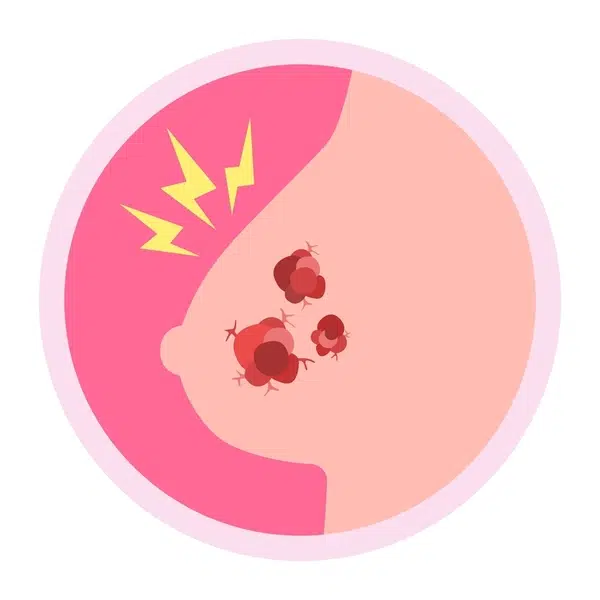
Finding a breast lump can be frightening, and many women immediately think of cancer. In reality, most breast lumps are not dangerous and are linked to normal body changes. Hormones, age, and lifestyle can all affect breast tissue. Knowing the difference between normal changes and warning signs helps women act calmly and seek medical advice at the right time without panic or delay.
Breasts are not the same throughout life. They change with age, hormones, and different life stages. These changes can sometimes feel like lumps, thick areas, or tenderness, which are often normal.
Hormones rise and fall during the menstrual cycle, and this directly affects breast tissue. Many women notice lumpiness, swelling, or tenderness before their period.
Common changes include:
These changes usually settle once the menstrual cycle ends and are not a cause for concern.
During pregnancy and breastfeeding, the breasts prepare for milk production. Glands and ducts expand, which can create firm or tender areas.
Normal changes may include:
These lumps often improve with time, feeding, or gentle care.
Breast tissue changes naturally with age. Younger women tend to have denser breasts, while older women may notice softer or fattier tissue.
Age related changes include:
These changes can alter how breasts feel without indicating illness.
As women age, breast tissue undergoes several changes, making regular screening essential—learn more in our guide on Breast Changes After 40: When to Get a Mammogram Screening Test.
Many breast lumps are non cancerous and harmless. Knowing about common benign lumps can reduce fear and confusion.
Hormonal lumps are linked to monthly hormone changes. They often appear before periods and feel soft or slightly firm.
Typical features include:
These lumps are usually harmless and monitored over time.
Breast cysts are fluid filled sacs that can feel round or oval. They may be painful or painless.
Cyst characteristics include:
Most cysts are benign but should be checked if they grow or cause discomfort.
Fibroadenomas are solid, non cancerous lumps commonly found in younger women. They grow slowly and often stay the same size.
They usually:
Doctors may monitor or remove them depending on size and changes.
While many lumps are harmless, some signs need medical attention. These warning signs help distinguish normal changes from possible problems.
Seek medical advice if you notice:
Early evaluation helps rule out serious conditions and provides peace of mind.
While not all breast lumps are cancerous, it’s important to recognize other warning signs—read our guide on Early Signs of Breast Cancer: Common Changes, Symptoms and Awareness Tips.
Knowing how a lump feels and behaves over time can give helpful clues. Doctors look at texture, movement, and changes rather than size alone.
Normal lumps often:
Concerning lumps may:
Self awareness is not about fear but familiarity. Knowing what is normal helps detect changes early.
Helpful habits include:
It is always better to consult a doctor if you are unsure. Some situations require quicker medical advice.
See a doctor if:
Doctors may suggest imaging tests based on age and symptoms.
Doctors use different tests to examine breast lumps. The choice depends on age, symptoms, and clinical findings.
Common tests include:
These tests help confirm whether a lump is benign or requires treatment.
Even harmless lumps should be evaluated at least once. Early assessment helps avoid anxiety and prevents delayed diagnosis.
Benefits of early evaluation include:
Timely checks support long-term breast health.
Are painful breast lumps usually cancerous?
Painful breast lumps are often linked to hormonal changes or cysts. Cancer related lumps are usually painless, but any persistent pain should still be checked by a doctor.
Can stress cause breast lumps?
Stress does not directly cause breast lumps, but it can affect hormone levels. Hormonal changes may increase breast tenderness or lumpiness during certain times of the cycle.
Do breast lumps always need imaging tests?
Not all lumps need imaging, but many do. Doctors decide based on age, symptoms, and physical examination to ensure accurate assessment.
Can diet influence breast lump formation?
Diet may affect hormones and inflammation. High salt or caffeine intake may worsen tenderness, but diet alone does not usually cause breast lumps.
Is a painless lump more dangerous than a painful one?
Painless lumps may need careful evaluation, as pain is not always present in serious conditions. Any new lump should be assessed regardless of pain.
Can breast lumps go away on their own?
Yes, many hormonal lumps disappear after menstrual cycles. If a lump remains or grows, medical advice is recommended.
Breast lumps are common and often harmless, but they should never be ignored. Knowing normal breast changes helps reduce fear and delay. Any new, persistent, or unusual lump deserves medical attention. Early evaluation supports accurate diagnosis, effective treatment, and long-term breast health confidence.
When it comes to breast health, choosing the right diagnostic provider is important. MVR Diagnostic Clinic offers trusted and advanced breast screening with dedicated mammogram coil and diagnostic services in Dubai using high quality imaging technology and skilled medical professionals. The clinic focuses on accurate results, patient comfort, and clear reporting. Affordable screening and diagnostic packages are available, making early breast evaluation accessible and reliable for women seeking quality care.
WhatsApp us