

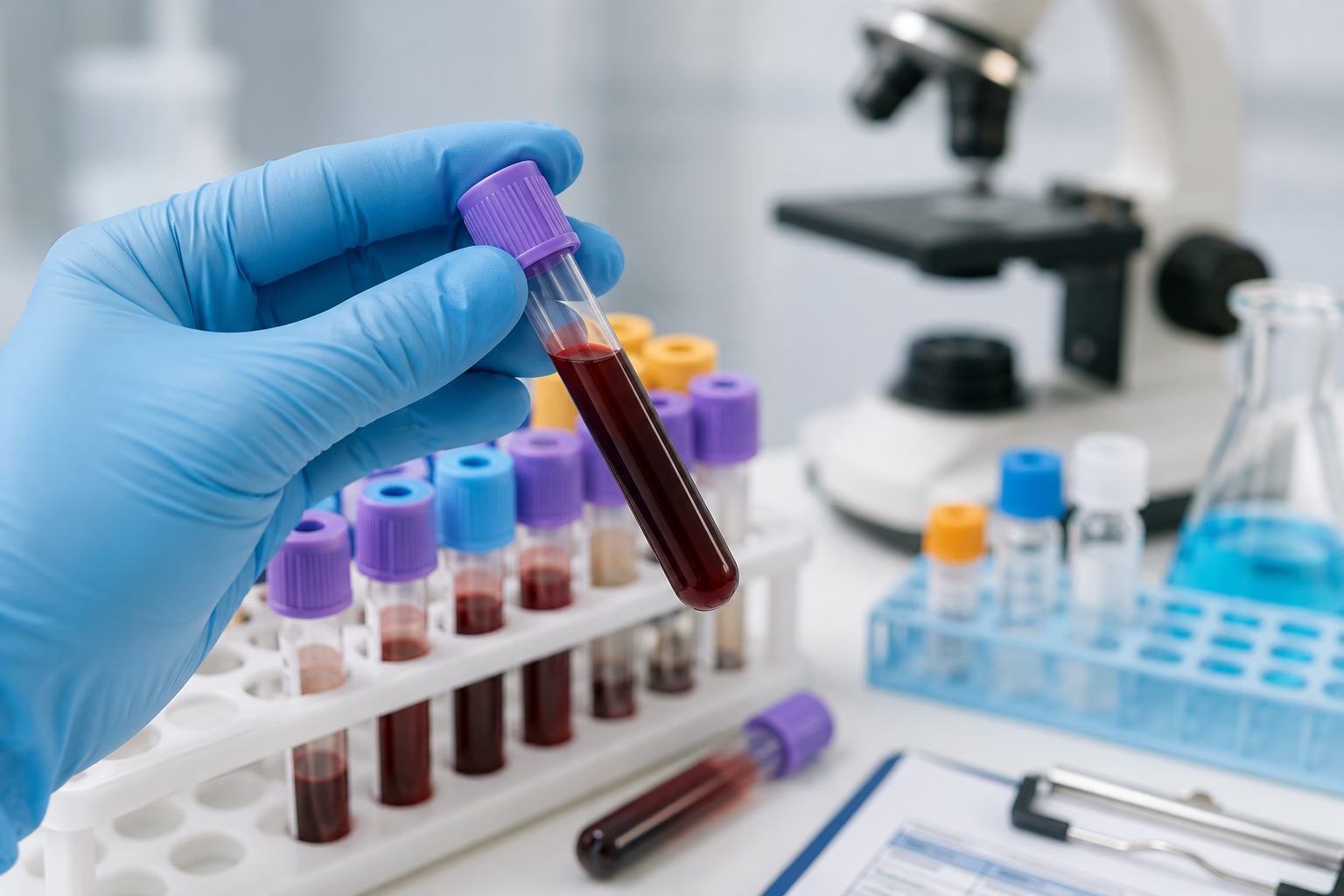
Blood tests are among the most common and valuable diagnostic tools used in healthcare. They help doctors assess your overall health, identify infections, monitor chronic diseases, evaluate organ function, and detect medical conditions before symptoms become serious. Whether you’re having a routine health checkup or investigating a specific concern, a blood test provides important information that supports accurate diagnosis and timely treatment.
At MVR Diagnostic Clinic, we offer a wide range of laboratory blood tests using advanced diagnostic equipment and quality-controlled processes to deliver reliable and timely results. Whether you need a routine blood test or specialised testing, our experienced team is here to support your healthcare needs.
Read on to understand the different types of blood tests, what they detect, how to prepare, and how to interpret your test results.
A blood test is a laboratory examination that analyses a sample of your blood to evaluate different aspects of your health. It measures the levels of blood cells, proteins, hormones, enzymes, minerals, and other substances circulating in your bloodstream.
Since blood travels throughout the body, it provides valuable insights into how different organs and systems are functioning. Doctors use blood tests to diagnose diseases, monitor existing medical conditions, evaluate treatment effectiveness, and detect health problems at an early stage.
Blood tests are quick, minimally invasive, and can be performed for people of all ages.
Many health conditions develop gradually without obvious symptoms. A routine blood test can often detect changes in the body before you begin to feel unwell, allowing treatment to start earlier.
Blood tests are important because they help:
Doctors often recommend regular blood tests as part of preventive healthcare, especially for adults with risk factors such as diabetes, high blood pressure, obesity, or a family history of chronic disease.
A single blood sample can provide information about many different aspects of your health. Depending on the test ordered, blood tests can evaluate multiple organs and body systems.
Blood tests measure red blood cells, white blood cells, haemoglobin, haematocrit, and platelets. These results help identify conditions such as anaemia, infections, blood disorders, and certain immune system conditions.
Specific blood tests assess how well major organs are working.
These include:
Abnormal results may indicate inflammation, injury, or disease affecting these organs.
Blood glucose tests help diagnose and monitor diabetes and prediabetes.
If your doctor has advised you to check your blood sugar levels, you may also find our guide on Borderline Blood Sugar: Why a Diabetes Profile Matters helpful. It explains how diabetes profile testing supports early diagnosis and long-term health management.
Lipid profile tests measure:
These results help evaluate your risk of heart disease and stroke.
Hormone blood tests assess the function of glands such as the thyroid, adrenal glands, ovaries, and testes.
Hormone testing is also commonly used by athletes and individuals experiencing fatigue, muscle loss, infertility, or hormonal imbalances.
If you’re interested in understanding hormone-related blood tests, read our article on Hormones for Muscle Growth: Blood Tests Explained.
Blood tests can identify deficiencies in nutrients such as:
Correcting these deficiencies can improve energy levels, immunity, bone health, and overall wellbeing.
Doctors request different blood tests depending on your symptoms, medical history, and health concerns. Some tests are performed during routine checkups, while others investigate specific conditions.
The following are among the most commonly performed blood tests.
A Complete Blood Count measures the number and quality of red blood cells, white blood cells, haemoglobin, and platelets.
It helps diagnose:
A CBC is one of the first tests ordered during routine health examinations.
A blood glucose test measures the amount of sugar in your blood. It is commonly used to diagnose diabetes, monitor blood sugar control, and assess the risk of developing diabetes.
A lipid profile evaluates cholesterol and triglyceride levels to determine your risk of cardiovascular disease.
Doctors often recommend this test as part of annual health screenings.
A Liver Function Test measures enzymes and proteins produced by the liver.
It helps diagnose:
Kidney function tests evaluate how effectively your kidneys remove waste products from the blood.
Common measurements include:
Thyroid function tests measure hormones such as TSH, T3, and T4.
These tests help diagnose hypothyroidism, hyperthyroidism, and other thyroid disorders.Learn more in When Should You Take a TSH Test for Preventive Care.
The HbA1c test measures your average blood sugar level over the previous two to three months.
It plays an important role in diagnosing diabetes and monitoring long-term blood sugar control.
An HbA1c test can help identify borderline blood sugar levels before they progress to diabetes, making early testing essential. Learn more in Borderline Blood Sugar for Years: Why a Diabetes Profile Should Not Be Delayed.
There are hundreds of blood tests available, but most fall into several major categories based on what they measure.
These tests are commonly included in annual health checkups and help identify early signs of disease before symptoms develop.
Examples include:
Diagnostic blood tests help investigate specific symptoms such as fever, fatigue, weight loss, abdominal pain, or unexplained weakness.
Doctors select these tests based on your clinical condition.
Hormone blood tests measure substances produced by endocrine glands to evaluate hormone balance, fertility, thyroid function, adrenal health, and reproductive health.
These tests detect vitamin and mineral deficiencies that may contribute to fatigue, anaemia, poor immunity, and neurological symptoms.
Blood tests can identify infections caused by bacteria, viruses, fungi, and parasites.
They are commonly used to diagnose conditions such as hepatitis, HIV, dengue fever, and other infectious diseases.
Preparation depends on the type of blood test your doctor has ordered. Following the correct instructions helps ensure accurate and reliable results.
Some helpful preparation tips include:
Proper preparation helps minimise the need for repeat testing and ensures the most accurate laboratory results.
A blood test is a quick and straightforward procedure performed by a trained healthcare professional.
After confirming your details, the healthcare provider cleans the skin, usually on the inside of your elbow, with an antiseptic solution. A tourniquet is placed around your upper arm to make the veins easier to locate.
A sterile needle is then inserted into the vein, and the required amount of blood is collected into one or more collection tubes. Once the sample has been taken, the needle is removed, and gentle pressure is applied to the site to prevent bleeding.
Most blood tests are completed within a few minutes. You may experience a slight pinch when the needle is inserted, but the procedure is generally well tolerated and causes minimal discomfort.
After the sample is collected, it is sent to the laboratory for analysis, where specialists examine the results before preparing a report for your doctor.
Receiving your blood test report can sometimes feel overwhelming, especially if it contains unfamiliar medical terms and numbers. However, understanding the basics can help you have a more informed discussion with your doctor.
Each blood test report typically includes:
It is important to remember that a result outside the normal range does not always indicate a serious medical condition. Factors such as age, sex, medications, diet, pregnancy, recent illness, and even exercise can influence blood test results.
Rather than focusing on a single number, doctors interpret your results alongside your symptoms, medical history, physical examination, and, if needed, additional investigations.
If any result appears abnormal, your doctor may recommend repeating the test, ordering further investigations, or starting appropriate treatment.
Most blood test reports include a reference range, which represents the values typically seen in healthy individuals. These ranges may vary slightly between laboratories because different equipment and testing methods are used.
Here are some commonly measured blood tests and what they indicate.
Haemoglobin is the protein in red blood cells responsible for carrying oxygen throughout the body.
Low haemoglobin levels may indicate anaemia, while unusually high levels can be associated with dehydration or certain medical conditions.
White blood cells help protect the body against infections.
Platelets play an essential role in blood clotting.
Low platelet levels can increase the risk of bleeding, while high levels may require further evaluation depending on the clinical situation.
Blood glucose measures the amount of sugar circulating in the bloodstream.
Abnormal glucose levels may indicate:
Regular monitoring is especially important for individuals at risk of diabetes.
A lipid profile evaluates cholesterol levels to assess cardiovascular health.
Doctors review:
Maintaining healthy cholesterol levels reduces the risk of heart disease and stroke.
Liver function tests measure enzymes such as ALT, AST, and ALP.
Elevated levels may indicate liver inflammation, fatty liver disease, hepatitis, medication effects, or other liver conditions.
Kidney function tests commonly include:
These values help doctors evaluate how effectively the kidneys filter waste from the blood.
Blood tests play an important role in diagnosing and monitoring a wide range of medical conditions. Depending on your symptoms, your doctor may recommend one or more specialised blood tests.
Blood tests commonly used to diagnose and monitor diabetes include:
These tests help identify diabetes at an early stage and monitor blood sugar control over time.
Thyroid blood tests measure hormones that regulate metabolism and energy production.
Common thyroid tests include:
These tests help diagnose conditions such as hypothyroidism and hyperthyroidism.
Blood tests can help evaluate your risk of cardiovascular disease and identify heart-related conditions.
Common tests include:
Doctors often combine these tests with blood pressure measurements, ECG, and imaging studies for a complete assessment.
Liver function tests evaluate the health of your liver by measuring enzymes, proteins, and bilirubin levels.
These tests help diagnose:
Kidney function tests help detect early kidney damage before symptoms develop.
People with diabetes, high blood pressure, or a family history of kidney disease may require regular kidney function monitoring.
Blood tests can identify nutritional deficiencies that may contribute to fatigue, weakness, hair loss, poor immunity, or nerve problems.
Common nutritional tests include:
Early diagnosis allows deficiencies to be corrected before complications develop.
At MVR Diagnostic Clinic, we provide comprehensive laboratory testing to support preventive healthcare, early diagnosis, and ongoing disease management. Our modern laboratory uses advanced diagnostic technology and strict quality standards to deliver accurate, reliable, and timely test results.
From routine health checkups and diabetes screening to hormone testing, cholesterol evaluation, liver and kidney function tests, and specialised investigations, our experienced laboratory professionals are committed to providing high-quality diagnostic services tailored to your healthcare needs.
Whether your doctor has recommended a specific blood test or you’re planning a preventive health screening, MVR Diagnostic Clinic offers dependable laboratory services in a comfortable and patient-focused environment.
Routine blood tests are one of the simplest and most effective ways to monitor your health. They can identify hidden medical conditions before symptoms appear, track existing health problems, and provide valuable information that helps doctors make informed treatment decisions.
Regular testing becomes even more important as you get older or if you have risk factors such as diabetes, high blood pressure, high cholesterol, or a family history of chronic illness.
If your healthcare provider recommends a blood test, don’t delay. Early diagnosis often leads to better treatment outcomes and greater peace of mind. By making blood testing part of your regular health checkup, you’re taking an important step towards protecting your long-term health and well-being.
Why do doctors recommend blood tests?
Doctors recommend blood tests to assess your overall health, diagnose medical conditions, monitor chronic diseases, evaluate organ function, and detect health problems before symptoms develop.
Do I need to fast before a blood test?
It depends on the type of blood test. Tests such as fasting blood sugar and lipid profile usually require fasting for 8 to 12 hours, while many other blood tests do not. Always follow your doctor’s instructions.
How long does it take to get blood test results?
The turnaround time depends on the type of test. Routine blood test results are often available within 24 hours, while specialised tests may take several days.
Can blood tests detect cancer?
Certain blood tests may suggest the presence of cancer or monitor treatment, but blood tests alone cannot diagnose most cancers. Additional investigations, including imaging and biopsies, are often required.
What should I do if my blood test results are abnormal?
Do not panic if a result falls outside the normal range. Many factors can influence blood test results. Your doctor will interpret your report in the context of your symptoms, medical history, and any additional tests that may be needed.
Are blood tests safe?
Yes. Blood tests are very safe and are performed by trained healthcare professionals using sterile equipment. Most people experience only mild discomfort during blood collection.
How often should I have routine blood tests?
The frequency depends on your age, medical history, and individual health risks. Many adults benefit from annual health checkups, while people with chronic conditions may require testing more frequently.
WhatsApp us