
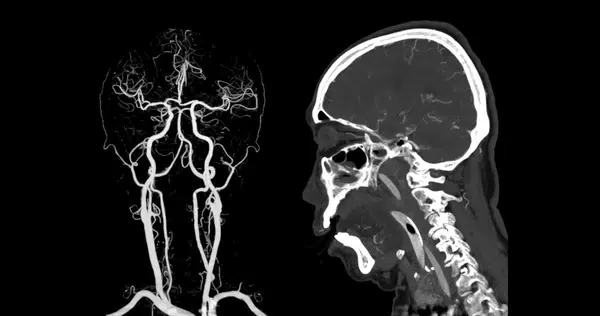
A CT angio scan is often recommended when doctors need clear images of blood vessels and surrounding structures. Proper preparation before the scan helps ensure accurate results and reduces the chance of complications related to contrast dye. Many patients feel anxious before the procedure because they are unsure about fasting rules, medications, or the scan process. Clear preparation steps make the experience easier. Read on to know how to prepare correctly for a CT angio scan.
CT angiography is a specialized imaging procedure that uses a CT scanner and contrast dye to produce highly detailed pictures of blood vessels. The scan captures multiple cross sectional images, which are combined by a computer to create clear visual maps of the vascular system.
The contrast dye injected into the bloodstream helps highlight blood vessels on the scan images. This allows radiologists to see areas where blood flow may be reduced or interrupted. Because the scan provides precise imaging, doctors can detect problems earlier and plan treatment more effectively.
The procedure is commonly performed in diagnostic imaging centers and hospitals equipped with modern CT scanners. The test is non surgical and usually completed within a short period of time.
Doctors recommend CT angio scans when detailed imaging of blood vessels is required to identify possible abnormalities. The scan helps evaluate conditions where blood flow may be restricted or where vessel walls require closer examination.
CT angio scans are often recommended in the following situations:
Because CT angiography produces high resolution images, it is considered a reliable diagnostic tool for evaluating vascular health.
Standard CT scans provide images of organs, bones, and tissues. CT angio scans, however, focus specifically on blood vessels.
Key differences include:
These differences make CT angio an important imaging technique when doctors need precise information about blood vessels.
Preparing properly for a CT angio scan helps ensure the images are clear and accurate. Preparation also reduces the possibility of complications related to contrast dye or medical conditions.
Patients who follow preparation instructions carefully usually experience a smoother scanning process. Doctors can also obtain better diagnostic images, which improves the reliability of the results.
Contrast dye plays a central role in CT angiography because it helps highlight blood vessels on the scan images. The dye is injected through a small intravenous line placed in the arm before the scan begins.
Once the contrast enters the bloodstream, it circulates through the vascular system. The CT scanner captures images during this circulation, which allows blood vessels to appear clearly on the scan.
The improved visibility created by contrast dye enables radiologists to detect narrowing, blockages, or abnormal vessel structures with greater precision.
Before performing a CT angio scan, medical staff review several health factors to ensure the procedure is safe.
Doctors typically evaluate the following:
These checks help reduce risks and allow the radiology team to plan the scan safely.
Preparing correctly before the scan helps ensure accurate imaging results. The preparation instructions may vary slightly depending on the diagnostic center and the patient’s health condition.
Fasting is usually recommended before a CT angio scan. Patients are typically advised to avoid eating for four to six hours before the procedure.
Fasting helps reduce the possibility of nausea that can occur when contrast dye is injected. It also ensures the digestive system does not interfere with imaging results.
Water may be allowed in small amounts during the fasting period unless the doctor provides different instructions.
Patients should inform the radiology team about all medications they are currently taking. Some medicines may need adjustment before the scan.
Important medications to mention include:
Providing accurate information about medications helps doctors avoid potential interactions with contrast dye.
Hydration plays an important role before and after CT angio scans. Drinking sufficient water helps support kidney function, which assists the body in eliminating contrast dye after the scan.
Patients may be encouraged to maintain good hydration throughout the day before the test. Adequate fluid intake also improves circulation, allowing the contrast dye to distribute evenly in the bloodstream.
In many cases, doctors also recommend drinking extra water after the scan to help remove the contrast dye from the body more quickly.
Certain items may interfere with CT imaging and should be removed before the scan.
Patients should avoid wearing or bringing the following items:
Removing these objects helps ensure that the CT images remain clear and free from interference.
The CT angio procedure is quick and usually completed within a short period. Most patients experience minimal discomfort during the scan.
Understanding the process beforehand can help reduce anxiety and allow patients to feel more comfortable during the procedure.
The scanning process usually takes between ten and twenty minutes.
During the contrast injection, some patients may experience temporary sensations.
These sensations can include:
These effects are common and usually disappear within a few minutes.
Certain health conditions require special attention before a CT angio scan. Informing the radiology team helps ensure the scan is performed safely.
Patients should provide complete medical history information before the procedure.
Providing this information allows doctors to adjust the scan protocol if necessary.
Pregnant patients should inform the radiology staff before undergoing any CT imaging. Although CT scans are medically useful, doctors may recommend alternative imaging methods when pregnancy is confirmed.
Radiology teams carefully evaluate each situation to ensure both patient safety and diagnostic accuracy.
The cost of CT angio scans in the UAE varies depending on the diagnostic center and imaging technology used. Private healthcare facilities often provide modern imaging services with advanced CT scanners.
Patients can usually access CT angiography services at competitive rates compared to many international healthcare systems.
The typical price range for CT angio scans in the UAE is between AED 1500 and AED 3500. The cost may vary depending on the area being scanned and the type of contrast dye used.
Many diagnostic centers provide clear pricing information before scheduling the procedure.
These factors may influence the final cost of the scan.
A CT angio scan is generally a quick procedure. Most of the time spent during the appointment involves preparation rather than the scan itself.
Patients usually spend about fifteen to thirty minutes preparing for the scan. The actual imaging process normally takes ten to twenty minutes.
Once the scan is complete, the images are reviewed by a radiologist who prepares the diagnostic report.
CT angiography is widely used in modern diagnostic medicine and is considered safe when performed by trained professionals. Medical imaging centers follow strict protocols to minimize risks related to radiation exposure and contrast dye.
The safety of the procedure depends largely on proper patient assessment and adherence to preparation guidelines.
These precautions help ensure the scan is performed safely.
Scheduling a CT angio scan in the UAE is straightforward. Many diagnostic centers provide convenient booking options for patients who require imaging services.
Appointments can often be arranged quickly, especially when urgent diagnostic evaluation is required.
These options allow patients to arrange their CT angiography appointment efficiently.
Do you need to fast before CT angio?
Yes, most CT angio scans require fasting for about four to six hours before the procedure. Fasting helps prevent nausea from contrast dye and ensures clearer imaging results during the scan.
Can I drink water before CT angiography?
In most cases small amounts of water are allowed before the scan. However patients should follow the specific instructions provided by their diagnostic center or doctor regarding hydration before the procedure.
How long does a CT angio scan take?
The CT angio procedure usually takes about ten to twenty minutes. Preparation before the scan may require additional time for registration, intravenous line placement, and patient positioning.
Is CT angiography painful?
CT angio scans are generally painless. Patients may feel a brief warm sensation when contrast dye is injected, but the scanning process itself does not cause discomfort.
Can I take regular medicines before CT angio?
Most medications can be continued before the scan. However patients should inform the radiology team about all medicines they take, especially diabetes or kidney related medications.
When will CT angio results be ready?
Radiology reports are typically available within twenty four hours after the scan. Some diagnostic centers may provide faster results depending on the urgency of the case.
Following the correct preparation guidelines before a CT angio scan helps ensure safe contrast use and accurate imaging results. Fasting, hydration, medication disclosure, and proper communication with the radiology team all contribute to a smooth diagnostic process. When patients follow these preparation steps carefully, radiologists can obtain clear images that support precise diagnosis and treatment planning.
MVR provides trusted diagnostic services in Dubai with advanced imaging technology and experienced medical professionals. The center focuses on accurate results, patient comfort, and safe imaging procedures using modern equipment. Patients benefit from reliable CT scans, MRI services, and laboratory diagnostics delivered by skilled specialists. Affordable screening and diagnostic packages are also available, helping individuals access high quality healthcare while maintaining convenience and clinical precision. Contact MVR today.
WhatsApp us