
High cholesterol does not cause pain, but it can slowly block your arteries without warning. In just five seconds, here is the truth, high LDL cholesterol increases your risk of heart attack, stroke, and long term heart disease even if you feel completely fine. Many people discover it only after a serious event. Read on to know the real risks, costs, and prevention steps.
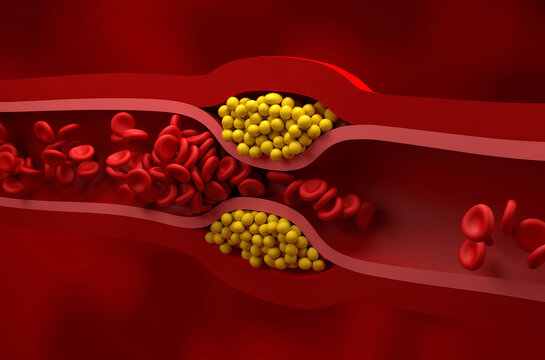
Cholesterol is a fatty substance found in your blood. Your body needs a small amount of it to build healthy cells and produce hormones. However, when cholesterol levels become too high, especially low density lipoprotein or LDL cholesterol, it begins to deposit inside artery walls. Over time, this buildup can narrow blood vessels and reduce healthy blood flow.
A blood test called a lipid profile measures total cholesterol, LDL cholesterol, high density lipoprotein or HDL cholesterol, and triglycerides. HDL is often called good cholesterol because it helps remove excess cholesterol from the bloodstream. LDL is considered bad cholesterol because it contributes to plaque buildup in arteries.
Healthy cholesterol ranges for adults are generally:
When these numbers rise beyond normal limits, the risk of cholesterol complications increases steadily.
High cholesterol risks are serious because they affect vital organs. The damage happens slowly and often silently. The following conditions are strongly linked to elevated LDL levels.
When LDL cholesterol builds up inside coronary arteries, it forms plaque. This plaque narrows the arteries that supply blood to the heart muscle. If a plaque ruptures, a blood clot can form and block the artery completely. This sudden blockage causes a heart attack, which can lead to permanent heart damage or death.
The same plaque buildup can affect arteries that supply blood to the brain. If blood flow is blocked, it results in an ischemic stroke. High cholesterol significantly increases stroke risk, especially in people with high blood pressure or diabetes.
Learn more about diagnosis in our blog on CT Brain Scan for Detecting Stroke and Head Injuries and how it helps detect brain damage during a stroke.
High cholesterol can reduce blood flow to the legs and arms. This condition causes pain while walking, cold feet, slow wound healing, and in severe cases, tissue damage.
Narrowed arteries make it harder for blood to flow smoothly. This increases pressure inside the vessels, forcing the heart to work harder. Over time, this leads to hypertension and increases cardiovascular strain.
Severe untreated blockage in coronary arteries can trigger fatal rhythm disturbances. Many sudden cardiac deaths are linked to long standing cholesterol buildup.
These dangers of high cholesterol show why early detection through cholesterol testing is critical.
When cholesterol remains elevated for many years, the body goes through gradual structural changes inside the arteries.
This long term process is called atherosclerosis. It may take decades before symptoms appear, which is why many people ask what happens if cholesterol is high but feel normal. The truth is that silent progression continues unless levels are corrected.
High cholesterol symptoms are usually absent. Most people feel healthy until complications occur. The first visible sign may be chest pain, a heart attack, or a stroke. Some rare cases show yellow fatty deposits on the skin called xanthomas, but this is uncommon. Because there are no clear warning signs, routine lipid profile testing is essential for adults over 30.
Certain groups face greater cholesterol complications due to lifestyle or genetics.
In the UAE, sedentary office routines and high-calorie diets contribute to rising cholesterol and heart disease rates. Regular screening is strongly advised for residents with these risk factors.
Cost is often a concern, but cholesterol testing is affordable compared to the cost of heart treatment.
Considering the financial burden of heart attack treatment, preventive testing is significantly more cost effective.
Lowering high LDL cholesterol requires consistent lifestyle and medical action.
Reducing saturated fats, processed food, and fried meals helps lower LDL. Increasing fiber rich foods such as vegetables, fruits, oats, and legumes supports cholesterol removal. Healthy fats from nuts and olive oil also improve HDL levels.
At least 150 minutes of moderate activity per week improves heart function and lipid balance. Brisk walking, swimming, or cycling are effective options.
Doctors may prescribe statins or other lipid lowering medicines if lifestyle changes alone are not enough. These medications reduce LDL production and stabilize plaque.
Annual cholesterol tests help monitor progress and adjust treatment when needed.
Consistent effort significantly reduces heart attack risk and stroke risk cholesterol related damage.
Yes, in many cases, cholesterol levels can be improved. Early stage plaque buildup can stabilize or reduce with proper diet, exercise, weight control, and medication when required. While severe arterial narrowing may not completely disappear, the risk of complications can drop significantly with timely management.
Yes. Feeling normal does not mean arteries are healthy. High LDL side effects occur internally without pain. Waiting for symptoms increases the risk of sudden medical emergencies. Preventive screening is the safest strategy.
You should consult a doctor if:
Early medical advice can prevent long term damage.
High cholesterol is one of the most preventable causes of heart attack and stroke. The risks of high cholesterol are real, serious, and often silent. Regular cholesterol testing, healthy food choices, physical activity, and medical guidance can protect your arteries for life. Waiting for symptoms increases danger and cost. Testing early is simple, affordable, and lifesaving.
MVR provides trusted and advanced diagnostic care in Dubai using high quality technology and skilled medical professionals. Patients benefit from accurate results, comfortable testing environments, and affordable screening packages tailored for preventive health. From lipid profile testing to complete cardiac risk panels, MVR ensures precise reporting and compassionate care, helping residents make informed health decisions with confidence.
LDL levels above 160 milligrams per deciliter significantly increase cardiovascular risk. Higher levels above 190 require immediate medical attention and possible medication.
Adults above 30 should test cholesterol every year. People with risk factors like diabetes may require more frequent monitoring.
Chronic stress may indirectly raise cholesterol through hormonal changes and unhealthy coping habits such as overeating or smoking.
Yes. Familial hypercholesterolemia is an inherited condition that causes very high LDL levels from a young age.
Exercise helps improve HDL and reduce LDL, but some individuals may still need medication depending on genetic and metabolic factors.
WhatsApp us