

A sudden sharp pain in the upper right abdomen can stop you in seconds. Nausea after eating oily food. Pain spreading to your back at night. Many people ignore these signs until the pain becomes severe. Gallstones are common and often silent until they block bile flow. Early awareness can prevent serious complications. Read on to know what causes gallstones, the warning symptoms, and when to seek medical care.
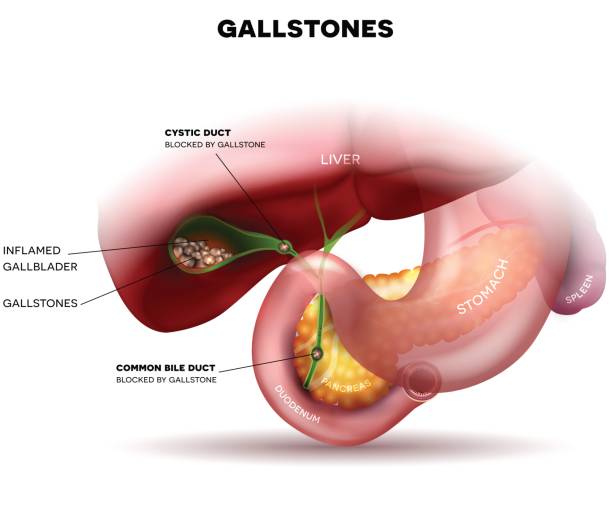
Gallstones are hardened deposits of digestive fluid that form inside the gallbladder. The gallbladder is a small organ located under the liver. Its role is to store bile, a liquid that helps digest fats. When bile becomes imbalanced in composition, it can form small crystals that gradually turn into stones.
There are two main types of gallstones. Cholesterol stones are the most common. They form when bile contains too much cholesterol and not enough bile salts. Pigment stones are darker and form due to excess bilirubin in bile, often linked to certain blood disorders or liver problems.
Some gallstones remain small and silent for years. Others grow larger and block the bile duct, causing pain and complications. Gallstones symptoms may not appear until blockage occurs. This is why many people only discover gallstones during imaging for other reasons.
Gallstones often develop when bile contains more cholesterol than it can dissolve. The extra cholesterol may form crystals, which slowly grow into stones. Diets high in saturated fats and refined carbohydrates can increase this risk. High cholesterol levels in the blood also contribute to this imbalance.
The gallbladder needs to empty regularly to prevent bile stagnation. When it does not empty completely, bile becomes concentrated. This concentration increases the chance of stone formation. Sedentary lifestyle, prolonged fasting, and certain medical conditions can reduce proper gallbladder contraction.
Rapid weight loss can disturb bile composition. When the body breaks down fat quickly, cholesterol levels in bile rise. Crash diets and extreme calorie restriction are known triggers. Hormonal changes during pregnancy or due to birth control pills can also influence bile balance.
Common contributing factors include:
Gallstones causes often involve a combination of metabolic, dietary, and genetic factors.
Certain individuals have a greater chance of developing gallstones.
Gallstones in women are more common due to hormonal influence on bile composition. Age also plays a role because gallbladder function may decrease over time.
Gallstones symptoms depend on whether the stones are silent or blocking a duct. Many people have no symptoms until a stone causes obstruction.
The most typical symptom is pain in the upper right abdomen. This pain may start suddenly and last from thirty minutes to several hours. It can feel sharp or cramping.
Gallbladder attack symptoms often appear after eating fatty or heavy meals. The gallbladder contracts to release bile for digestion. If a stone blocks the duct during this contraction, pain develops.
Digestive discomfort is common. Nausea and vomiting may accompany gallstones pain symptoms, especially during a gallbladder attack.
Pain can radiate to the right shoulder blade or upper back. This referred pain occurs because nerves serving the gallbladder also connect to these areas.
Other warning signs include bloating, indigestion, and intolerance to fatty food. If symptoms are mild and temporary, they may resolve on their own. Persistent or severe pain requires medical evaluation.
A gallbladder attack, also called biliary colic, occurs when a gallstone temporarily blocks the bile duct. The pain usually starts suddenly and may increase in intensity. It often happens at night or after eating.
Typical features include:
If pain lasts more than four hours, or is accompanied by fever or yellowing of the eyes, urgent medical attention is needed.
You should consult a doctor if you experience repeated episodes of abdominal pain or persistent digestive discomfort. Immediate medical care is required if any of the following occur:
Delaying treatment may lead to infection or inflammation of the gallbladder. Early diagnosis prevents complications.
Accurate gallstones diagnosis relies on imaging and laboratory tests.
Ultrasound is the primary test used to detect gallstones. It is painless and uses sound waves to create images of the gallbladder. It can identify stones, inflammation, and bile duct dilation. Cost ranges from AED 250 to AED 600.
For a complete understanding of the procedure, benefits, and when it is recommended, read our detailed guide on Abdominal Ultrasound Scan: What It Detects and When You Need One.
A CT scan provides detailed cross-sectional images of abdominal organs. It helps detect complications such as infection or blockage. Cost ranges from AED 800 to AED 1,800.
Magnetic resonance imaging, especially MRCP, visualizes bile ducts clearly. It is useful when stones are suspected in the bile duct. Cost ranges from AED 1,500 to AED 3,000.
Blood tests assess liver function and detect infection. Elevated liver enzymes may indicate bile duct obstruction. Cost ranges from AED 150 to AED 400.
These diagnostic methods help confirm the presence, size, and location of gallstones.
Treatment depends on symptom severity.
If gallstones are silent and do not cause symptoms, doctors may recommend monitoring without immediate intervention.
Certain medications can dissolve cholesterol stones. However, this process is slow and stones may return once treatment stops.
Surgical removal of the gallbladder, known as laparoscopic cholecystectomy, is the most effective treatment for symptomatic gallstones. Small incisions are made, and recovery is usually quick.
Surgery cost ranges between AED 15,000 and AED 35,000 depending on hospital and insurance coverage. Most patients return to normal activities within one to two weeks.
Non surgical management focuses on symptom control and lifestyle changes.
While diet changes may reduce symptoms, stones rarely disappear completely without surgery. Recurrent attacks often lead to surgical recommendation.
Untreated gallstones can lead to serious conditions.
These complications can become life threatening if not managed promptly.
Prevention strategies focus on maintaining bile balance.
Gallstones prevention is easier than dealing with repeated gallbladder attacks.
Small stones may remain silent for years, but most do not disappear naturally. Once symptoms begin, medical evaluation is recommended to prevent complications or recurrent gallbladder attacks.
Fatty, fried, and oily foods commonly trigger gallbladder pain. Heavy meals increase gallbladder contraction, which can cause blockage and pain if stones are present.
Laparoscopic gallbladder removal is widely performed and generally safe. Most patients recover within one to two weeks and resume normal daily activities.
The procedure usually takes about one to two hours. Hospital stay is often short, and many patients go home the same day or next day.
Blocked bile ducts can cause severe pain, jaundice, infection, or pancreatitis. Immediate medical treatment is required to prevent serious complications.
Yes, people can live normally without a gallbladder. The liver continues producing bile, and digestion adjusts over time.
Gallstones may remain silent for years, but once symptoms appear, timely action is important. Recognizing gallstones symptoms, seeking early diagnosis, and choosing appropriate treatment can prevent serious complications. Abdominal ultrasound and advanced imaging play a crucial role in confirming diagnosis. If you experience repeated pain after meals or persistent discomfort, consult a healthcare professional. Early medical care ensures safer outcomes and quicker recovery.
For accurate gallstones diagnosis and abdominal imaging, MVR provides trusted and advanced diagnostic services using high quality technology and skilled medical professionals. From abdominal ultrasound to MRI and CT imaging, patients receive precise results in a comfortable environment. MVR offers affordable screening and diagnostic packages designed for early detection and preventive care across the UAE.
WhatsApp us