

Breast changes after 40 should never be ignored, especially when a new lump, skin change, pain on one side, or nipple discharge appears suddenly. Many women delay screening because they are unsure whether the change is normal or serious. This guide explains exactly when to book a mammogram screening in Dubai, what signs require urgent imaging, and how much the test realistically costs.
Breast tissue continues to change with age, weight changes, and hormone levels. However, after 40, the chance that a new symptom may need medical imaging becomes higher. This does not mean every change is cancer, but it does mean imaging is needed to confirm what is happening inside the breast.The following breast changes should never be delayed.
A lump may feel round, firm, soft, or slightly hard. It may be painful or painless. A thickened area can feel different from the surrounding tissue and may be noticed during bathing or dressing.
You should book breast imaging if:
Breast pain related to hormones usually affects both breasts and changes with the menstrual cycle. Pain that remains on one side only and lasts for weeks should be checked.
Warning signs include:
Discharge that appears without squeezing and is either bloody or clear is not normal. This requires diagnostic imaging even if there is no visible lump.
Skin that looks puckered, thickened, or similar to the surface of an orange can be linked with deeper breast tissue changes. Redness that does not improve after a few days also needs imaging.
A breast that suddenly looks larger, lower, tighter, or flattened on one side may indicate an internal structural change. A nipple that turns inward or shifts direction should also be assessed.
Hormonal changes still occur after 40, but imaging becomes a medical necessity rather than only reassurance. Mammogram screening and diagnostic mammography help detect changes that cannot be felt by hand.
There are two clear situations where booking breast imaging is recommended.
If any of the breast changes listed above appear and last more than two weeks, you should book a diagnostic mammogram immediately. Waiting for the change to disappear can delay diagnosis and treatment planning.
Book early when:
Women with no breast complaints should still book screening mammogram tests from the age of 40.
General guidance for average-risk women:
Women with strong family history may be advised to start earlier and follow a shorter screening interval.
Many women book the wrong test, which can delay results and require repeat appointments.
A screening mammogram is for women who have no breast symptoms. It looks for early changes before a lump is felt. It usually includes standard views of both breasts.
It is mainly used for:
A diagnostic mammogram is used when you already have symptoms such as a lump, pain, discharge, or skin change. Extra images and targeted views are taken to focus on the problem area.
Important for patients:
Booking a screening mammogram when you have symptoms can delay reporting, because diagnostic imaging may still be required. Choosing the correct test from the beginning helps avoid repeat visits and speeds up clinical decisions.
Knowing what will happen helps reduce anxiety before your appointment.
You should:
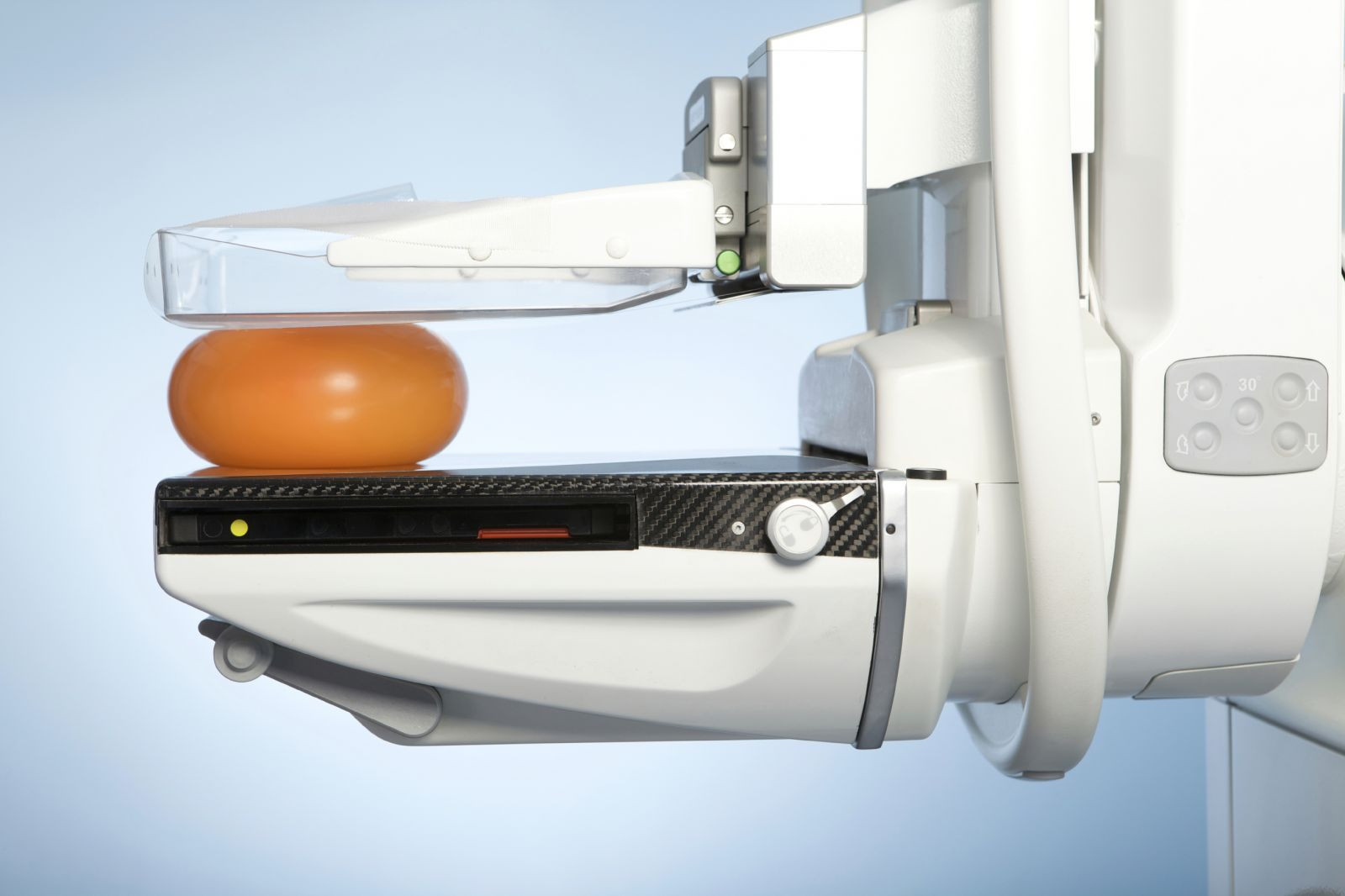
The breast is gently positioned on the mammography machine and compressed for a few seconds to obtain clear images. Compression may feel uncomfortable but should not be painful.
Typical appointment flow:
The imaging part usually takes 10 to 15 minutes.
The images are reviewed by a specialist radiologist. If additional ultrasound or focused imaging is needed, it is usually done during the same visit.
In most Dubai breast imaging centres, reports are available within 24 to 48 hours for routine cases, and faster for urgent referrals.
The price of breast imaging varies based on technology, reporting, and whether additional imaging is needed.
Typical Dubai pricing ranges:
Prices vary depending on the imaging centre, equipment used, and clinical reporting scope.
Modern digital mammography and 3D mammogram systems use very low radiation doses. The exposure is carefully controlled and is considered safe for routine screening.
For most women after 40, annual screening is considered safe. Diagnostic imaging may be performed more frequently if symptoms or follow-up is required.
Breast ultrasound is often added when:
Mammogram screening remains the primary test because it detects microcalcifications and early tissue changes that ultrasound may not show. Ultrasound supports mammography but does not replace it.
Some women need closer breast monitoring.
Women with close relatives affected by breast or ovarian cancer may require earlier screening and combined imaging.
If a prior mammogram showed suspicious or borderline findings, follow-up schedules are often shorter.
Long-term hormonal therapy may increase the need for regular breast imaging.
Scar tissue and previous procedures require proper comparison with future imaging.
Use this simple checklist to decide quickly:
If you answered yes to any of the above, booking your mammogram this week is a practical and responsible step for your health.
At what age should women in Dubai start mammogram screening?
Most women should begin annual mammogram screening at 40 years, unless advised earlier due to family history, previous breast findings, or high-risk profiles identified during medical assessment.
Is breast pain after 40 a reason to book a mammogram?
Yes, persistent one-sided breast pain lasting more than two weeks should be evaluated using diagnostic mammogram and ultrasound to rule out structural breast changes.
How long does a mammogram appointment take in Dubai?
A typical mammogram appointment takes 20 to 30 minutes, including registration, positioning, imaging, and additional views if required during the same visit.
Do I need a referral to book a mammogram in Dubai?
Many imaging centres accept direct appointments, but some insurance providers may require a referral for coverage approval and claim processing.
What is the difference between 2D and 3D mammogram for women over 40?
A 3D mammogram provides layered breast images that improve detection in dense breasts and reduces recall rates compared to standard 2D mammography.
Is mammogram enough if I have dense breasts?
Mammogram is essential, but many women with dense breasts also require targeted ultrasound for better evaluation of deeper breast tissue.
Breast changes after 40 deserve timely and professional attention. A new lump, persistent pain, skin changes, or nipple discharge should never be ignored or postponed. Regular mammogram screening in Dubai allows early detection, accurate diagnosis, and better treatment planning when required. Knowing the difference between screening and diagnostic mammograms, understanding realistic costs, and recognising personal risk factors helps you make confident decisions for your health. Booking your breast imaging at the right time can provide reassurance, early answers, and long-term peace of mind.
If you are looking for trusted and advanced mammogram and breast imaging services in Dubai, MVR offers high-quality diagnostic care supported by modern imaging technology and skilled medical professionals. At MVR, patient comfort, image clarity, and accurate reporting are always prioritised. Affordable screening and diagnostic packages are available to support women at every stage of breast health, making early detection and follow-up care accessible, reliable, and convenient for families across Dubai.
WhatsApp us