
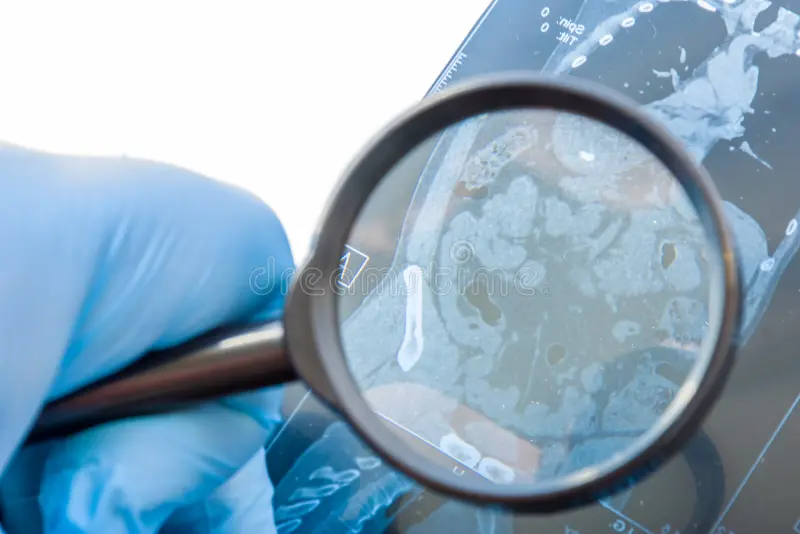
A colon MRI scan is often advised when doctors need clear images of the bowel without using radiation. Many people feel anxious before this test because they do not know why it is done or what to expect. This guide explains when a colon MRI is advised, how the scan happens, and what doctors can find through it.
A colon MRI scan is a medical imaging test that shows detailed pictures of the colon and nearby bowel structures. It uses magnetic fields and radio waves to create images. Doctors use this scan when they need to see soft tissues clearly and safely.
This scan is helpful because it can show changes inside the bowel wall that other tests may not show well. It is also used when repeated imaging is needed, as it does not expose the body to radiation.
Doctors may recommend a colon MRI scan to check or monitor several health conditions, such as:
In many cases, the colon MRI is used along with other tests to get a complete picture of bowel health.
A colon MRI scan is not done for everyone. It is advised only when specific symptoms or medical situations suggest the need for detailed bowel imaging.
Doctors may suggest this scan if a person has ongoing symptoms that do not improve with basic treatment, including:
These symptoms can point to deeper bowel issues that need clear imaging.
In some situations, MRI is chosen over other tests because it offers certain advantages:
In such cases, a colon MRI scan provides safe and detailed information for long term care.
Many people worry about the process of the scan. Knowing the steps in advance can make the experience easier and less stressful.
Preparation depends on the reason for the scan. Some patients may need mild bowel preparation, while others may not.
Common preparation steps include:
Clear instructions are usually given before the appointment.
During the colon MRI scan, the patient lies on a table that moves into the MRI machine. The scan itself is painless but requires staying still.
The process usually includes:
The scan usually takes between 30 and 60 minutes, depending on the images required.
Once the scan is completed, most people can return to normal activities on the same day.
After the scan:
Any follow up steps are explained by the doctor based on the findings.
A colon MRI scan provides detailed images that help doctors identify both early and advanced bowel issues.
This scan can clearly show physical changes in the bowel, such as:
These findings help doctors decide the next steps in care.
MRI is especially useful for detecting inflammation inside the bowel.
It can help identify:
This is important for planning treatment and monitoring disease activity.
In cases where cancer is suspected, a colon MRI scan helps in:
It does not replace biopsy but supports accurate diagnosis.
Different imaging tests serve different purposes. Knowing the difference helps patients understand why MRI is chosen.
Both MRI and CT scans are used for bowel imaging, but they differ in key ways.
MRI offers:
CT scans may be faster but involve radiation, which is not ideal for frequent use.
Colonoscopy and MRI serve different roles in bowel evaluation.
Colonoscopy allows:
Colon MRI provides:
Doctors often use both tests together for complete evaluation.
A colon MRI scan is reliable but like all medical tests, it has strengths and limits.
MRI is highly accurate for:
Accuracy depends on proper preparation and patient cooperation during the scan.
MRI is considered safe for most people.
Important safety points include:
Patients should always inform the team about any metal in the body.
Despite its benefits, MRI has some limits:
These factors are considered before recommending the scan.
The cost of a colon MRI scan in the UAE varies based on medical requirements and where the scan is performed. While it is considered a premium imaging test, many patients choose it for its accuracy and safety, especially when repeated imaging is needed.
The final price of a colon MRI scan in the UAE usually depends on the following:
In the UAE, a colon MRI scan usually falls within a moderate to high price range compared to other imaging tests. On average, costs may range from AED 1,800 to AED 4,000, depending on whether contrast is used and the facility chosen.
Many health insurance plans in the UAE cover colon MRI scans when there is a valid medical indication and referral. Coverage levels vary, so patients are advised to check pre approval requirements and confirm out of pocket expenses before booking the scan.
Not everyone is suitable for an MRI scan at all times.
MRI may be delayed or avoided in cases such as:
Doctors assess risks carefully before proceeding.
MRI reports can feel complex, but basic terms can be explained simply.
Patients may see words like:
These terms help doctors explain the condition clearly.
Based on MRI results, doctors may suggest:
Each step depends on the individual case.
Is a colon MRI scan painful
No. The scan is painless, though staying still may feel uncomfortable for some people.
How long does a colon MRI scan take
Most scans take between 30 and 60 minutes.
Do I need full bowel cleaning for a colon MRI
Not always. Preparation depends on the purpose of the scan.
Can a colon MRI detect early cancer
It can show suspicious areas but biopsy is needed for confirmation.
Is contrast always required
Contrast is used only when needed for clearer images.
Can a colon MRI replace colonoscopy
No. Both tests serve different purposes and are often used together.
Is a colon MRI safe after bowel surgery
Yes, in most cases, including when surgical staples are present.
How soon will results be available
Results are usually ready within a few days.
Can a colon MRI show infection
Yes. Inflammation and infection related changes are often visible.
What if symptoms continue despite a normal scan
Doctors may suggest further tests or follow up care.
A colon MRI scan is a valuable tool for safe and detailed bowel evaluation. It helps doctors diagnose conditions, monitor disease progress, and plan treatment without radiation exposure. While it does not replace all other tests, it plays an important role in modern digestive health care when used at the right time and for the right reasons.
Advanced Colon MRI Care You Can Rely On
MVR offers trusted and advanced diagnostic services in Dubai, using high quality MRI technology and skilled medical professionals. Patients receive accurate results in a comfortable and supportive environment. MVR focuses on clear reporting, patient safety, and affordable screening or diagnostic packages. Whether you need evaluation for bowel symptoms or follow up imaging, MVR provides dependable care designed around patient needs and medical precision.
WhatsApp us