
PCOS is one of the most common hormone conditions affecting women, yet many women miss the early symptoms or assume they are caused by stress or normal body changes. If you notice irregular periods, stubborn acne, sudden weight gain, or unusual hair growth, these may be early signs. This guide explains the major symptoms of PCOS in simple language so you understand what to watch for, when to seek help, and how early attention can protect your long term health.
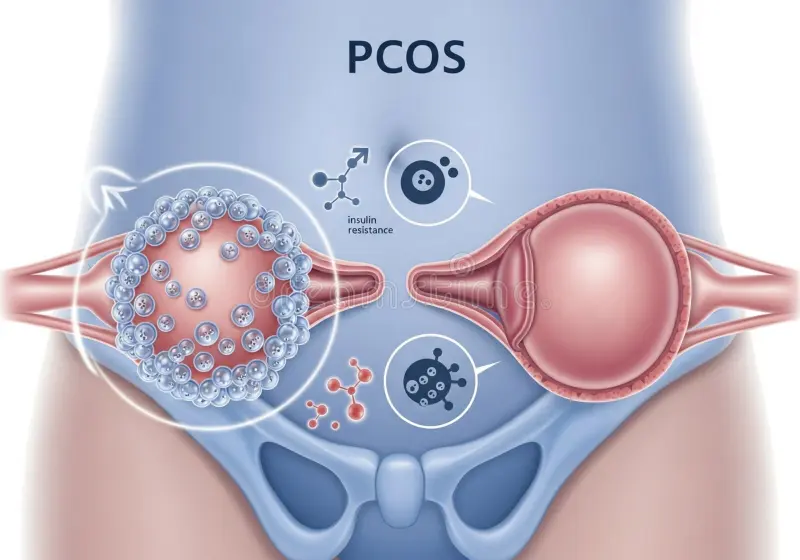
PCOS, known as Polycystic Ovary Syndrome, is a hormonal condition that affects the ovaries, metabolism, and overall health. The body produces higher than normal levels of androgens, which are male hormones that all women have in small amounts. This imbalance affects menstrual cycles, ovulation, weight, skin, and hair. Understanding why these symptoms appear helps women recognise the condition early.
PCOS happens when the body produces too many androgens, which affects estrogen and progesterone balance. This imbalance can affect how the ovaries work. Many women also experience small fluid filled sacs on the ovaries called follicles. These follicles may not release eggs regularly, leading to problems with ovulation and menstruation.
Many women find this condition confusing because symptoms vary from person to person. Some have strong signs, while others have very mild changes. PCOS is connected to metabolic health as well, so insulin resistance may appear early and affect weight, skin, and energy levels.
Early symptoms of PCOS are often mistaken for everyday changes. Busy schedules, lifestyle stress, and irregular routines can make women assume their body is simply reacting to pressure. Many believe irregular periods are normal or that acne is caused by diet or stress. Because symptoms develop gradually, it is easy to overlook them until they become strong.
Common reasons symptoms are missed:
Hormones control many functions in the female body. When estrogen, progesterone, and androgens become imbalanced, the effects show in many areas such as skin, hair, mood, energy, and menstrual cycle. Insulin also plays an important role. If the body does not respond to insulin properly, it can cause weight gain and skin changes.
This combination of hormone shifts and insulin resistance leads to the visible symptoms women commonly experience.
Women experience different symptoms depending on their hormone levels, metabolism, genetics, and lifestyle. These are the most common signs that suggest PCOS may be present.
The menstrual cycle becomes unpredictable because ovulation does not happen regularly. Some women may have long gaps between periods, while others may experience lighter or heavier bleeding. Missing periods often indicates problems with ovulation.
Signs to watch:
Hormonal acne is deeper, more painful, and more persistent than regular acne. It often appears along the jawline, cheeks, chin, and upper neck. Increased androgen levels make the skin produce more oil, leading to clogged pores and repeated breakouts.
Helpful clues include:
High androgen levels can trigger excess hair growth in women. This condition is known as hirsutism. The hair becomes thicker and darker and may appear in areas more typical for men. It can affect self confidence and may be one of the first signs women notice.
Weight gain linked to PCOS often happens around the abdomen and feels stubborn even with diet changes. This occurs due to insulin resistance, which affects how the body handles glucose. Women may experience cravings, energy dips, and slow metabolism.
Managing weight can involve:
Some women experience hair loss on the scalp. This often looks like widening of the hair part or gradual thinning. Androgen levels influence hair growth patterns, causing stronger hair growth in unwanted areas and hair loss on the head.
This symptom is called acanthosis nigricans. It often signals insulin resistance. The skin may appear darker, thicker, or velvety. Because it is painless, many women ignore it, but it is an important early sign.
Fatigue appears due to hormonal imbalance and blood sugar changes. Women may feel tired even after sleeping well. Energy levels may drop sharply after meals, especially if insulin resistance is present.
Hormones influence emotional well being. Women with PCOS may feel more anxious, emotional, or stressed than usual. Changes in neurotransmitter activity and metabolism can make mood symptoms stronger.
Ovulation problems are common in women with PCOS. When eggs do not mature or release properly, periods become irregular and fertility challenges may arise.
Hormone imbalance affects the signals that control egg release. Ovarian follicles may form but remain underdeveloped. LH and FSH levels may be irregular, affecting ovulation frequency.
Women may notice:
Difficulty conceiving is common because irregular ovulation reduces the chances of pregnancy. Some women may not ovulate at all, while others ovulate infrequently. Hormonal imbalance affects both egg development and cycle regularity.
PCOS is closely connected to metabolic health. Changes in insulin response affect weight, energy, and blood sugar levels.
The body may not use insulin properly, causing cravings for sweet foods, sudden hunger, and energy crashes. This also contributes to weight gain around the abdomen.
Women with PCOS may have a higher risk of developing type two diabetes. This can be managed with lifestyle changes, early diagnosis, and proper medical guidance.
Before PCOS is diagnosed, women often notice subtle changes such as:
These early signs can help identify the condition.
Some symptoms are less common but still important.
Women may struggle with insomnia, restless sleep, or waking up tired. Hormonal imbalance influences sleep patterns.
Mild bloating or pelvic pressure may occur due to ovarian changes.
These are linked to metabolic imbalance and insulin resistance.
Women should get checked if they experience repeated late periods, stubborn acne, unusual hair growth, or unexplained weight gain.
Yes. Some women have very mild symptoms but still have hormonal imbalance or ovulation issues.
Doctors may use:
Symptoms usually appear slowly over months or years. Many women only notice changes when they become strong.
Seek medical advice if you notice:
Doctors check hormone levels, blood sugar response, and perform a pelvic scan. They also discuss menstrual cycles, lifestyle, and family history.
Early diagnosis helps protect fertility, metabolism, and emotional well being. It prevents long term complications and supports better management.
A healthy diet supports hormone balance. Many women benefit from:
Walking, yoga, and strength training help control weight, improve energy, and support hormone balance.
Breathing exercises, a regular sleep schedule, and light routines reduce stress hormones that worsen PCOS symptoms.
PCOS symptoms may begin as mild changes, but they provide valuable clues about your health. Paying attention to your cycle, skin, weight, mood, and energy helps you recognise early signs. Seeking timely medical care supports hormone balance, fertility, and emotional well being. With early attention and the right lifestyle habits, you can manage PCOS effectively and protect your long term health.
MVR offers trusted diagnostic services in Dubai with advanced technology and skilled medical professionals who focus on accuracy and patient comfort. Our team provides clear evaluations for women who want reliable PCOS screening or detailed hormone tests. We offer affordable diagnostic packages that help you understand your symptoms without stress. With gentle care, modern equipment, and supportive staff, MVR ensures women receive precise and comfortable testing for better health decisions.
WhatsApp us