

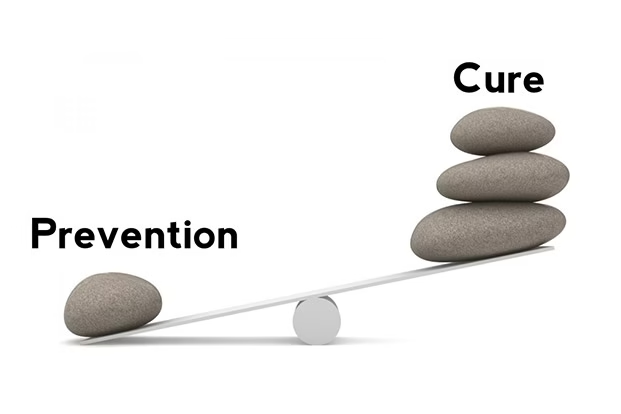
Most health problems do not begin with warning signs. They build quietly inside the body while you continue your routine without noticing anything unusual. This is why an annual preventive health checkup is extremely important. It reveals early changes in your organs, blood, heart, and hormones before they turn into serious conditions. A simple preventive check up once a year protects your long term health and helps you stay ahead of hidden risks.
A preventive health checkup is a planned set of medical tests that helps you understand what is happening inside your body even when you feel completely normal. It focuses on early detection of diseases and health risks. Many people think tests are needed only when symptoms appear but preventive medicine works the opposite way. It identifies early warning signs so that you can correct problems before they become difficult to treat.
Preventive checkups usually include blood tests, organ function tests, imaging scans, and sometimes age specific screenings such as heart evaluations, cancer checks, or hormone assessments. These screenings also help doctors understand your lifestyle risk factors related to food habits, stress, sleep quality, and physical activity. This type of yearly health check gives a clear picture of your overall wellness and guides you toward better health decisions.
Many diseases begin silently. Conditions like diabetes, thyroid imbalance, cholesterol buildup, fatty liver, kidney damage, and the early stages of heart disease often start without any pain or visible symptoms. By the time symptoms appear, the damage may already be advanced. This is why early screening is the safest approach. Preventive tests pick up small changes in your body long before you feel anything.
Treatment for late stage diseases is usually expensive, time consuming, and stressful. Early diagnosis reduces both medical cost and the emotional burden of dealing with advanced illness. Routine screenings help identify problems at the earliest stage when they are easiest to manage. This makes preventive health checkups a smart financial decision as well as a health focused one.
When your body is healthy on the inside you feel it on the outside. Regular preventive checkups reveal deficiencies, inflammation, hormonal imbalances, and early organ stress that directly affect energy, mood, immunity, and sleep. A simple annual report can help you design a more suitable lifestyle plan that supports long term wellness.
Use bullets here as per structure:
• Annual reports give clear guidance for diet changes
• Screening helps you plan fitness routines safely
• Early results help prevent future complications
• Tests build awareness of how your habits affect your body
This section holds the core of preventive medicine. These tests are recommended for most adults even if they feel healthy. They give a full picture of internal health and help identify early warning signs.
A CBC test checks red blood cells, white blood cells, platelets, and hemoglobin. It is one of the most common preventive health tests and reveals issues like anemia, infections, immunity problems, or hidden inflammation. This simple test gives important clues about your overall wellbeing.
Diabetes often develops silently. A fasting blood sugar test checks your immediate glucose level while the HbA1c test shows your average sugar level over the last three months. Both tests together help detect prediabetes and diabetes early. If glucose levels are rising slowly every year preventive steps can be taken before diabetes becomes permanent.
Use a numbered list here:
A lipid profile checks cholesterol, triglycerides, HDL, LDL, and VLDL. High cholesterol rarely shows symptoms but can cause hardening of arteries which increases the chance of heart disease and stroke. Annual lipid testing is an essential part of preventive check ups because it guides lifestyle correction and helps protect your heart.
Modern lifestyles, processed foods, alcohol, medicines, and fatty foods easily strain the liver. A liver function test checks liver enzymes, proteins, and bilirubin levels. It helps detect fatty liver, viral infections, and early liver stress. Liver problems often start quietly which makes this test extremely valuable for preventive screening.
This guide on liver tests may help you understand what they detect and when they are needed.
Kidneys filter waste from your blood. If they become weak, toxins start to build up slowly. Kidney issues often stay unnoticed until advanced stages. An RFT test measures creatinine, urea, and filtration rate which helps identify early signs of kidney stress.
Use bullets here:
• Early kidney damage is reversible if detected early
• Helps track hydration and electrolyte balance
• Essential for people with diabetes or blood pressure issues
• Supports monitoring of long term kidney health
For more clarity, explore our detailed guide on kidney function tests and how to interpret results.
Thyroid imbalance affects weight, energy, hair, sleep, metabolism, and mood. Many people experience thyroid issues without realizing it. A thyroid profile checks thyroid hormone levels and identifies both underactive and overactive thyroid states. This is one of the most important preventive health tests for adults of all ages.
Vitamin D and B12 deficiencies are extremely common today. They directly affect energy, bones, immunity, gut health, and brain function. Annual vitamin testing helps identify hidden deficiencies that may cause fatigue or body pain. These deficiencies are easy to correct once identified.
Cancer markers help detect unusual cell activity and can guide early investigation. They do not diagnose cancer, but serve as an early indicator when combined with medical history and other tests. People with a family history of cancer or those in certain age groups benefit strongly from yearly screening.
Heart diseases are often silent in the early stages. An ECG shows heart rhythm, blood flow pattern, and electrical activity. Some individuals may require advanced heart tests depending on age, lifestyle, or symptoms. Routine cardiac screening builds a clear picture of heart health and helps prevent future complications.
Use a numbered list here:
Useful for people with stress or family history
To understand pricing, explore our guide on how much an ECG test costs in Dubai.
A Whole Body MRI or an ultrasound is used for deeper preventive investigation. MRI scans look at organs, tissues, and joints in great detail. Ultrasound helps identify cysts, tumors, fatty liver, gallbladder issues, kidney stones, and reproductive health concerns. These imaging tests are extremely helpful for people with high risk factors, long term stress, or unexplained symptoms.
Looking for full-body screening? Discover everything you need to know about whole body MRI.
People in this age group may feel healthy but preventive tests support long term wellness. Tests usually include CBC, blood sugar, lipid profile, thyroid, vitamins, and basic cardiac evaluation. Young adults benefit from early awareness of lifestyle risks.
This age group experiences lifestyle stress, weight changes, and hormonal shifts. Annual screening should include advanced blood tests, liver and kidney evaluation, vitamin checks, and relevant imaging. Women may require breast health evaluation and men may need prostate checks depending on risk factors.
Health risks rise naturally with age. People above 40 should consider complete preventive packages that include blood profiling, cardiac screening, cancer markers, ultrasound, and where needed whole body MRI screening. These tests help manage long term health planning and early detection.
Your body gives signals when something is not right. Even if these signs appear mild they may indicate early health changes that need attention. It is important not to ignore these signals.
Yes. Feeling normal does not always mean your internal organs are functioning perfectly. Many people discover hidden conditions only through annual preventive checkups.
Use bullets here:
• Persistent fatigue or low energy
• Sudden weight changes
• Sleep problems
• Family history of chronic diseases
• High stress or long working hours
• Unexplained body pain or weakness
When you take individual tests separately the cost becomes much higher. Preventive health packages combine important tests in a single plan, which saves both time and money. They offer complete insights in one visit and help avoid unnecessary appointments. Packages also give a structured approach to preventive medicine which is easier to follow every year.
Basic checkups include essential blood tests like CBC, blood sugar, lipid profile, thyroid, vitamins, and kidney and liver screening. They are suitable for healthy individuals who want to track internal wellness.
Advanced packages include deeper blood profiling, ECG, ultrasound, cancer markers, hormone tests, and other age specific screenings. These packages are suitable for those with high stress levels or lifestyle risks.
People with family history of cancer, long standing pain, unexplained symptoms, or high stress levels benefit from whole body MRI screening. It also helps individuals who want a complete picture of their internal health.
Most adults should take a preventive health checkup once every year. Some individuals may need testing every six months depending on medical history or doctor recommendation. Preventive tests work best when they are repeated regularly because they help track changes and allow early treatment.
A preventive checkup includes a set of blood tests, organ function tests, heart screening, and sometimes imaging and cancer markers depending on age and risk factors.
Costs depend on the number of tests included. Packages are usually more cost effective than individual tests because they combine several essential screenings.
Most adults benefit from CBC, blood sugar, lipid profile, thyroid function, vitamin tests, liver and kidney evaluation, and cardiac screening every year.
Yes. Many conditions start silently and early detection prevents complications.
No. Preventive tests are done before symptoms appear. Diagnostic tests are done after symptoms begin.
Most complete checkups take between two to four hours depending on the number of tests.
Many blood tests require eight to twelve hours of fasting for accurate results.
Individuals above 30 should consider packages that include blood profiling, cardiac screening, ultrasound, and vitamin evaluation.
Yes. Cancer markers and imaging tests help identify early warning signs that support timely investigation.
Most people repeat full body checkups once a year unless a doctor advises more frequent evaluation.
Preventive health tests are one of the simplest ways to protect your long term health. They reveal problems early, guide better lifestyle choices, and help you stay in control of your wellness. Regular preventive checkups build awareness, improve confidence, and support a healthier future. One annual screening can make a major difference in your life and is an essential part of responsible self-care.
MVR offers advanced preventive health packages that combine detailed blood tests, cancer markers, organ function evaluation, cardiac screening, ultrasound, and whole body MRI options. These packages are designed to detect hidden risks early and give you a complete understanding of your health in a single visit. Choose MVR for accurate reports, experienced specialists, and preventive care that helps you stay ahead of health problems with confidence.
WhatsApp us