

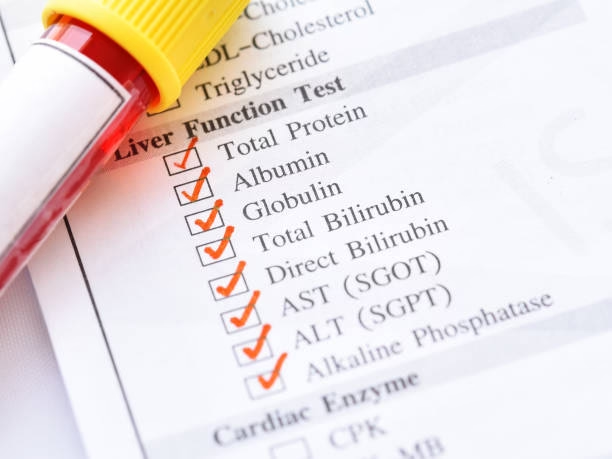
Wondering what your liver test results really mean? This simple blood test can reveal if your liver is healthy, inflamed, or under stress. Within a few minutes, doctors can detect if your liver is leaking enzymes or struggling to perform its vital functions. Here’s a clear breakdown of what liver tests detect, when they’re needed, and how to interpret the results in plain and simple terms.
Liver blood tests, also called liver function tests (LFTs) or a hepatic function panel, measure the levels of certain enzymes, proteins, and substances produced or processed by your liver. These include:
These markers help assess whether your liver cells are healthy, inflamed, or damaged.
How the test works:
A small blood sample is taken from your arm and tested in a lab. The test measures how much of each enzyme or protein is circulating in your blood. When liver cells are injured, these substances leak into the bloodstream, leading to elevated levels.
What liver tests cannot do:
They cannot pinpoint the exact cause of the problem. For instance, high enzymes could come from fatty liver, medication effects, or viral infections. The results must be interpreted with symptoms and medical history to identify the root cause.
Sometimes, your liver may be inflamed without showing clear symptoms. Doctors often recommend liver blood tests if you:
The test helps detect early signs of damage even before symptoms appear.
If you have liver disease or bile duct problems, these tests help track progress or response to treatment. They are commonly used to monitor:
Regular testing shows whether your condition is improving or worsening.
When a liver ultrasound shows fatty deposits, swelling, or fibrosis, blood tests confirm whether these changes are affecting liver function. Combining both tests gives a complete picture of liver health.
Your doctor may suggest a liver function test if you experience any of the following:
Risk factors include:
Doctors often include liver blood tests during routine health check-ups, especially for people taking regular medication or with lifestyle risks like alcohol use or fatty diet.
If you are healthy, have no symptoms, and previous tests were normal, repeating liver tests too often is unnecessary. Doctors prefer targeted testing when there is a reason to suspect a problem.
Most of the time, fasting is not required. However, some labs may ask you to avoid eating for 8–10 hours for accurate enzyme levels. Inform your doctor about any medicines or supplements, as some can temporarily raise liver enzymes.
Certain factors can slightly alter the readings:
Normal ranges vary slightly between labs, but generally:
These values may differ based on your age, gender, and health condition.
When ALT and AST levels rise, it usually means the liver cells are inflamed or damaged.
Possible causes include:
ALT is more specific to liver health, while AST can also rise due to heart or muscle problems.
When ALP and GGT are high, it usually points to blockage in bile flow or gallbladder issues. Common causes are:
Low levels of liver enzymes are usually not worrisome. However, very low ALP can indicate:
Liver blood tests show the degree of inflammation or injury but not the exact cause. A mildly high reading doesn’t always mean severe disease, and normal results don’t guarantee a perfectly healthy liver. Interpretation depends on your symptoms, lifestyle, and other tests.
If your blood tests show high enzyme levels, your doctor may recommend an ultrasound to view the liver structure.
Ultrasound helps identify:
If further detail is needed, CT or MRI scans may follow. Ultrasound is painless and non-invasive, making it the first imaging choice after abnormal blood tests.
To understand advanced imaging options, explore our guide on CT scans for liver lesions and how they help detect abnormalities.
Each enzyme tells a different story about liver health.
Here’s what they show:
AST/ALT ratio insight:
Remember, doctors consider the pattern of all enzyme changes, not just one result, to make a proper assessment.
Liver blood tests are essential tools for detecting inflammation, injury, or bile duct issues. Elevated enzyme levels don’t always mean disease, but they signal the need for further evaluation. Understanding these results helps you take early action and protect your liver health through timely care, balanced diet, and reduced alcohol intake. Always discuss your test results with a doctor before drawing conclusions.
Know your liver health with MVR’s advanced Liver Function Test. MVR Diagnostics provides quick and accurate liver blood testing in Dubai, covering ALT, AST, ALP, GGT, and bilirubin levels. With same-day reports and expert consultation, you can clearly understand your results and take the right next steps. MVR offers fast and reliable lab reports, a comprehensive enzyme panel, professional guidance, and affordable liver profile testing packages. Book your Liver Function Test with MVR today and take charge of your liver health.
WhatsApp us