A mammogram test can detect breast cancer long before a lump is felt, giving you a better chance at early treatment and recovery. It uses low-dose X-rays to capture detailed images of breast tissue, helping doctors identify small changes or abnormalities that may signal cancer even before symptoms appear. This guide explains what a mammogram is, who should get tested, when to start, how the procedure works, and what to expect during the process.
What Is a Mammogram and Why You Need One
A mammogram (or mammography) is a low-dose X-ray of the breast, used to spot early signs of breast cancer before symptoms appear. It captures images of internal breast tissue so doctors can detect small, abnormal changes. Many women visit a radiologist for this test as part of breast cancer screening.
Screening mammograms are done when there are no symptoms, while diagnostic mammograms are used when you already have a lump, pain, or other concern.
Early detection through mammograms can reduce breast cancer mortality by 20–35 % in populations that screen regularly.
Because breast cancer is easier to treat in earlier stages, mammograms are a key tool in preventive medicine. They are considered the standard first step in breast cancer screening.
Who Should Get a Mammogram
- Women with average risk, generally without family history or genetic mutation, are recommended to get screening.
- Women in high-risk groups (strong family history, known BRCA mutation, chest radiation in youth) may need earlier or more frequent screening.
When to start:
Most major medical organizations suggest starting mammogram screening at age 40.
In UAE, guidelines often target women aged 40 to 69 for routine screening.
How often should you get a mammogram?
- For average-risk women, every 1 to 2 years is typical.
- For higher-risk women: annually or as advised by a specialist.
You’ll find mammogram services in hospital imaging centers, private radiology clinics, and mobile screening units (especially in awareness campaigns). In the UAE, mobile mammogram outreach is part of national efforts.
Types & Methods of Mammography
Screening Mammogram vs Diagnostic Mammogram
- Screening mammogram is used when there are no symptoms, to detect early disease.
- Diagnostic mammogram is performed after an abnormal screening result or if symptoms (lump, nipple discharge, skin changes) are present, to get more detailed images.
Traditional 2D, 3D / Tomosynthesis & AI-Enhanced Mammography
- 2D mammograms take flat images from two standard angles (top-down, side).
- 3D mammography / digital breast tomosynthesis (DBT) captures multiple slices of breast tissue, improving visibility especially in dense breasts. It reduces false positives.
- AI / computer-aided detection tools increasingly assist radiologists by highlighting suspicious areas.
Breast density matters: dense breast tissue makes detection harder, so 3D or supplemental imaging is more beneficial in those cases.
Benefits, Limitations & Risks of Mammography
Benefits:
- Detects tumors before they grow large or spread
- Enables less aggressive treatment, better survival
- Peace of mind if results are normal
- Helps track changes over time
Limitations & Risks:
- False positives: images may show abnormalities that turn out benign
- Overdiagnosis: detecting lesions that may never progress
- Radiation exposure: minimal, but still present. The benefit of early detection far outweighs risk in screening age group
- Some cancers may be missed, especially in dense breasts or very small tumors
It’s important to understand these limitations and to follow up suspicious findings.
What Happens During a Mammogram
Before the test:
- Do not use deodorant, lotion, or powder on your chest or underarms
- Schedule when you are not menstruating, if possible, to reduce discomfort
- Wear a two-piece outfit to make undressing easier
During the procedure:
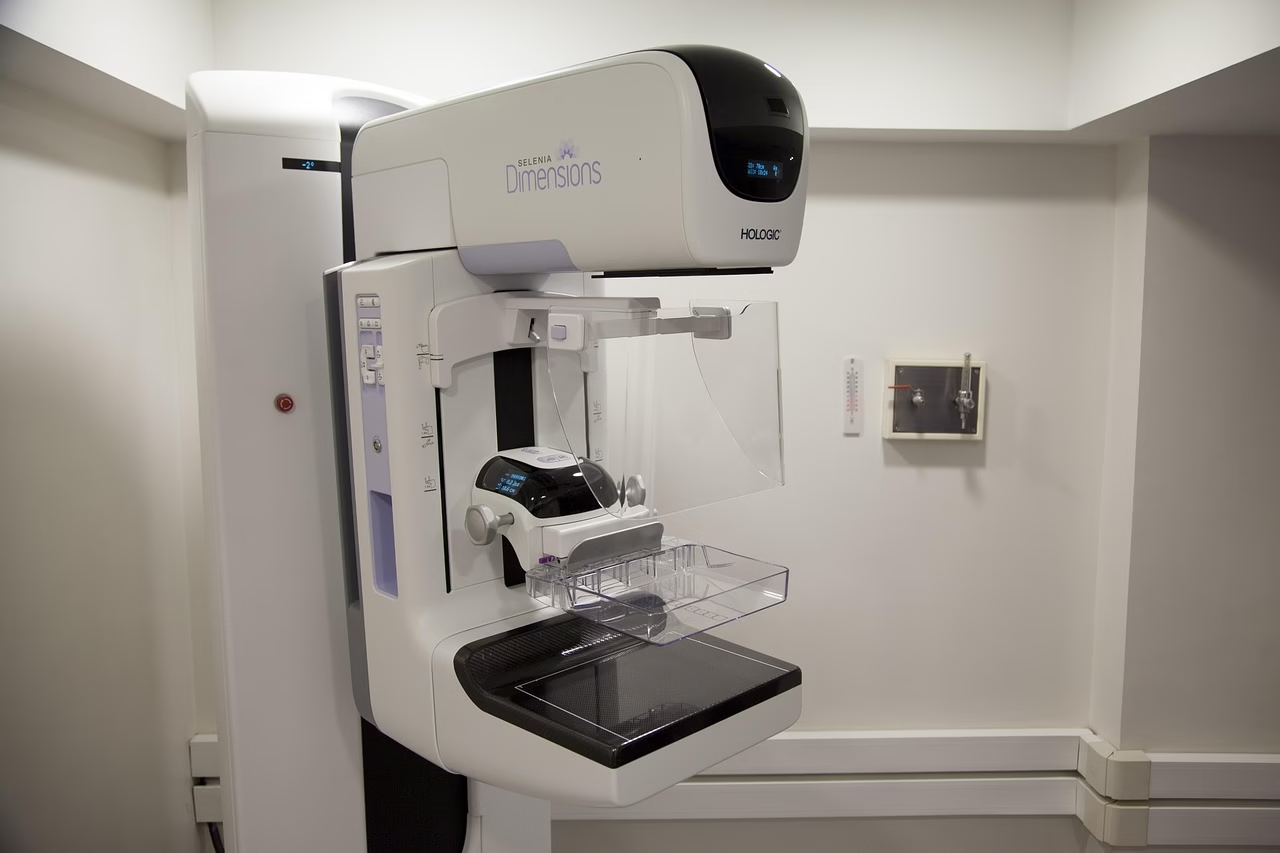
- You’ll stand in front of the mammogram machine.
- A technologist places one breast on the support plate and a paddle compresses it gently.
- They take images from different angles (top-down, side).
- The process is repeated for the other breast.
- Total time is about 15–30 minutes, including positioning and breaks.
Expect some pressure or discomfort during compression, but technicians try to make it as comfortable as possible.
After the test:
- You may receive preliminary results immediately, full report in a few days
- Sometimes you are asked to return for additional views or magnification
- If findings are unclear, further imaging or biopsy may be recommended
Interpreting Results & Next Steps
When you get your mammogram report, you’ll often see a BI-RADS category:
- BI-RADS 0: Need additional imaging
- BI-RADS 1: Negative / normal
- BI-RADS 2: Benign finding
- BI-RADS 3: Probably benign, short-term follow-up
- BI-RADS 4 or 5: Suspicious or highly suggestive of malignancy → biopsy
If findings are irregular or suspicious, doctors recommend ultrasound, MRI, or core biopsy to confirm cancer. A breast specialist or radiologist guides you through these next steps.
Don’t delay follow-up,early action is key.
Mammogram Cost in Dubai and UAE
Typical mammogram costs in Dubai and the UAE vary depending on the facility type, imaging technology, and whether it includes a consultation.
- AED 149 – available in some clinics as part of screening packages that may include consultation.
- AED 300–350 – average price range for a standard screening mammogram at mid-tier hospitals.
- AED 599 and above – in premium or diagnostic mammogram settings, especially when using advanced imaging systems.
- AED 1,200+ – for bilateral digital mammograms or AI-assisted imaging at high-end diagnostic centers.
Many health insurance plans in the UAE cover screening mammograms, particularly under preventive health benefits. In addition, government screening campaigns often provide free or subsidized mammograms, especially during Breast Cancer Awareness Month (October).
For affordable screening, look for accredited radiology centers or breast imaging units. When booking, ask if they use dedicated breast coils or digital mammography equipment for enhanced image accuracy.
FAQs About Mammogram & Breast Screening
Here are answers to common questions in real language:
- What is a mammo test and how is it different from a breast exam?
A mammo test is an X-ray image of the inside of your breast used to detect cancer early. A breast exam is a physical check by you or a doctor feeling for lumps on the surface. Mammograms find deeper changes that can’t be felt yet. - At what age should women start mammogram screening?
Most guidelines suggest starting at age 40 for average-risk women. If your risk is higher, screening may start earlier. - How often should I undergo a mammogram?
It depends on your risk, but many women get screened every 1 to 2 years. Higher-risk patients may do it every year. - Is mammography painful or dangerous?
You may feel pressure during compression, but it’s brief. The radiation exposure is very low, and the benefit of early detection outweighs the small risk. - What is a false positive in mammogram results?
It means the scan shows something suspicious that turns out to be noncancerous. You may need extra imaging or biopsy to confirm. - Can a mammogram detect all types of breast cancer?
No. Some tumors hide in dense breast tissue or are too small to see. That’s why follow-up imaging or biopsy is sometimes needed. - How is screening mammogram different from diagnostic mammogram?
Screening is routine for people without symptoms. Diagnostic is more detailed and used when there is a symptom or suspicious finding. - Are mammogram screenings covered by insurance or government in the UAE?
Many insurance policies include preventive mammogram coverage. Government campaigns frequently offer subsidized or free screenings in awareness periods. - What should I do if my mammogram shows a suspicious area?
Return for additional imaging (e.g. ultrasound, magnified views) or biopsy. Consult a breast specialist promptly. - What steps can I take to lower my risk of breast cancer?
Maintain healthy weight, exercise, limit alcohol, avoid smoking, get regular checkups, know your family history, and consider genetic testing if risk is high.
Mammogram screening is one of the most effective ways to detect breast cancer early, before symptoms appear, when treatment is simpler and recovery chances are highest. Don’t wait for warning signs. If you are in your 40s or have any risk factors, schedule your mammogram soon. Encourage your friends and family to do the same and help spread awareness in your community. Early detection truly saves lives, make it your priority today.
Advanced Mammogram Screening with Dedicated Breast Coil Technology
At MVR, we offer trusted mammogram screening using a dedicated breast coil for sharper, more precise imaging. Our packages are affordable and designed for every woman. Whether it’s your first check or annual screening, experience peace of mind and expert care with advanced technology.
