

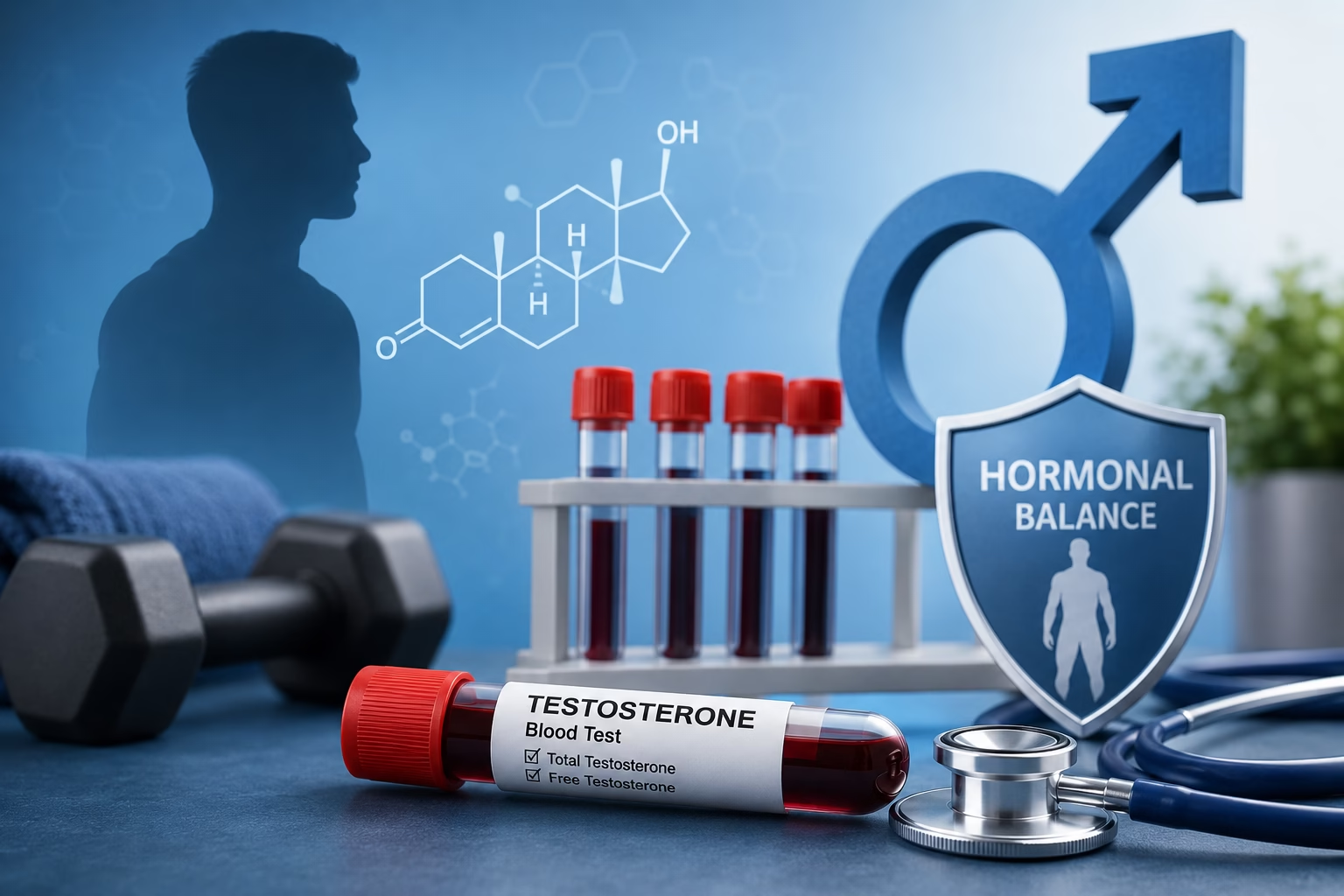
Low testosterone can develop gradually, so some men may notice several small changes rather than one obvious symptom.
These symptoms do not automatically mean that testosterone is low. A testosterone blood test should be interpreted alongside your symptoms, medical history, and other relevant test results.
Other Overlapping Causes to Consider:
Hormone levels can be influenced by several factors. Some changes are temporary, while others may be related to an underlying health condition.
Testosterone levels can change as men get older. However, symptoms should not simply be dismissed as a normal part of ageing. Assessment looks at both symptoms and lab results.
Sleep, exercise, body weight, nutrition, alcohol consumption, and general metabolic health can all influence overall hormonal health.
Long-term physical or psychological stress can affect sleep, energy, mood, and general wellbeing, resembling hormonal imbalance.
Problems involving testes, pituitary gland, thyroid, metabolic health, or medications can affect output. An abnormal result shouldn't be treated as a diagnosis alone.
Testosterone is usually the main hormone considered, but a broader assessment may include other markers depending on reasons for testing.
Helps assess circulating testosterone levels.
A form of oestrogen that is also present in men.
Helps assess signals involved in testosterone production.
Helps assess reproductive and testicular function.
Can be relevant when certain sexual or hormonal symptoms are present.
A protein that binds sex hormones and helps with interpretation of testosterone status.
Helps assess thyroid function when symptoms may overlap with thyroid problems.
Not every man needs all of these tests. If you are specifically considering male hormone screening, MVR offers a screening option that combines hormone testing with other health markers.
This distinction is important because the terms can sound similar but serve different purposes.
| Factor | Clinical Hormonal Assessment | Fitness Hormone Screening |
|---|---|---|
| Primary Purpose | Investigating whether a medical hormone disorder could be involved. | Understanding a wider group of hormone and metabolic markers. |
| Target User | A man experiencing persistent fatigue, low libido, or erectile difficulties. | Someone interested in exercise, muscle development, body composition, or general fitness. |
| Diagnostic Status | Guided by healthcare needs to investigate underlying medical issues. | Not automatically a diagnostic test for testosterone deficiency. |
| Resource Guide | Requires clinical advice and symptom evaluation. | Read MVR's guide to hormone blood tests for muscle growth. |
The exact tests included depend on the package selected based on your reason for testing.
MVR's Fitness Hormone Screening for Men Basic includes:
For men who want a broader assessment, includes additional markers:
Testosterone naturally fluctuates throughout the day. When evaluating possible deficiency, morning testing is generally recommended.
Fasting depends on tests performed. If testing includes metabolic markers (blood sugar, HbA1c, lipids), additional preparation applies.
Results are generally available within 1 to 3 days, depending on individual tests in the panel according to MVR's guide.
It can be difficult to determine whether symptoms are lifestyle-related or hormonal. Consider speaking with a doctor if:
Common questions regarding symptoms, test preparation, and screening options.
Possible symptoms include low libido, erectile difficulties, fatigue, reduced muscle mass or strength, changes in body composition, mood changes, and reduced motivation. These symptoms can also have many other causes.
Total testosterone is generally the starting blood test when testosterone deficiency is suspected. Testing is typically performed in the morning, and a low result may need to be confirmed with another morning measurement.
Preparation depends on the tests included. If testosterone deficiency is being evaluated, morning testing is generally recommended, and your healthcare provider may advise fasting. Broader screening panels may have additional preparation requirements.
No. A single low result does not necessarily establish testosterone deficiency. Testosterone levels fluctuate, so your doctor may recommend repeating the measurement to confirm the result.
Stress can affect sleep, energy, mood, and general wellbeing and may influence hormonal health. However, persistent symptoms should not automatically be attributed to stress.
Low testosterone can be associated with reduced muscle mass and strength. However, changes in muscle mass can also result from ageing, inactivity, inadequate nutrition, illness, or other factors.
The appropriate tests depend on the reason for testing. Testosterone may be assessed first, while LH, FSH, prolactin, estradiol, SHBG, and thyroid markers may be considered depending on symptoms and clinical findings.
Male hormone testing may be used to investigate symptoms that could indicate a hormonal problem. Fitness hormone testing is generally focused on exercise, muscle development, body composition, and related health markers. The purpose of the test should determine which panel is appropriate.
Not necessarily. Testosterone testing is generally more appropriate when symptoms or clinical findings suggest possible testosterone deficiency. Men without symptoms do not automatically need routine testosterone screening.
MVR Diagnostic Clinic offers male fitness hormone screening options, including basic and advanced panels. The appropriate package depends on your reason for testing and the markers you need assessed.
Fatigue, low libido, mood changes, reduced muscle mass, and changes in body composition can have many causes. Hormonal imbalance is one possibility, but it should be investigated rather than assumed. If you are considering a male hormone screening, MVR Diagnostic Clinic offers options designed to assess testosterone and other relevant health markers.
Book MVR Male Hormone ScreeningWhatsApp us